Best retail CRM is the cornerstone of modern retail success, enabling businesses to understand their customers better, personalize experiences, and drive sales growth. It’s not just about collecting data; it’s about harnessing the power of that data to create meaningful connections and foster customer loyalty.
By leveraging a robust retail CRM system, retailers can streamline operations, automate tasks, and gain valuable insights into customer behavior. This allows them to tailor marketing campaigns, optimize inventory management, and ultimately deliver exceptional customer experiences that build lasting relationships.
Understanding Retail CRM
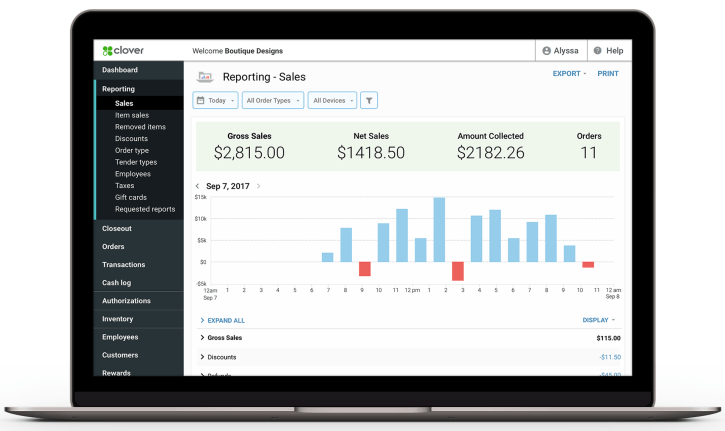
Retail CRM (Customer Relationship Management) is a strategic approach that empowers businesses to manage and enhance customer relationships across the entire retail journey. In the modern retail landscape, where competition is fierce and customer expectations are constantly evolving, a robust CRM system is essential for businesses to thrive. It helps businesses gain a comprehensive understanding of their customers, personalize interactions, and drive loyalty.
Key Functionalities of Retail CRM Systems
Retail CRM systems are equipped with a range of functionalities that enable businesses to effectively manage customer interactions and data. Here are some of the key features:
- Customer Data Management: Retail CRM systems centralize and organize customer data, including demographics, purchase history, preferences, and interactions. This unified view provides a comprehensive understanding of each customer, enabling personalized marketing and service.
- Sales and Marketing Automation: CRM systems automate marketing campaigns, targeted promotions, and customer outreach efforts. This frees up time for sales and marketing teams to focus on more strategic initiatives while ensuring consistent and personalized customer engagement.
- Customer Service Management: CRM systems streamline customer service interactions by providing a central platform for managing inquiries, complaints, and support requests. This improves response times, enhances customer satisfaction, and fosters loyalty.
- Inventory and Order Management: Some CRM systems integrate with inventory and order management systems, providing real-time visibility into stock levels and order status. This enables businesses to optimize inventory levels, minimize stockouts, and deliver orders efficiently.
- Analytics and Reporting: CRM systems generate valuable insights into customer behavior, sales performance, and marketing campaign effectiveness. This data-driven approach helps businesses identify trends, optimize strategies, and make informed decisions.
Key Features of Best Retail CRM
A top-tier retail CRM is a powerful tool that can help businesses optimize their operations, enhance customer relationships, and drive sales. This section explores essential features of a best-in-class retail CRM system.
Customer Segmentation and Personalization
Customer segmentation and personalization are crucial for tailoring marketing campaigns and customer interactions to specific customer groups. By analyzing customer data, retailers can segment their customer base into different groups based on factors like demographics, purchase history, and browsing behavior. This allows retailers to create targeted marketing campaigns and personalized offers that resonate with each segment.
Omnichannel Integration
Omnichannel integration is the seamless connection of all customer touchpoints, such as online stores, physical stores, mobile apps, and social media platforms. A robust retail CRM enables omnichannel integration by providing a unified view of customer interactions across all channels. This ensures a consistent and personalized experience for customers, regardless of how they interact with the brand.
Data Analytics and Reporting
Data analytics and reporting are essential for gaining insights into customer behavior, identifying trends, and measuring the effectiveness of marketing campaigns. A retail CRM system should provide comprehensive reporting capabilities that allow retailers to analyze customer data, track key metrics, and identify areas for improvement.
“Retailers that leverage data analytics to personalize customer experiences can see a significant increase in customer satisfaction and loyalty.”
Choosing the Right Retail CRM
Selecting the right retail CRM is crucial for any business looking to streamline operations, enhance customer relationships, and boost sales. This decision requires careful consideration of your specific needs, budget, and business size.
Factors to Consider When Selecting a Retail CRM
Choosing the right retail CRM involves considering various factors to ensure a solution that aligns with your business goals and objectives. Key considerations include:
- Business Size: Different CRM solutions cater to varying business sizes. Smaller businesses may opt for simpler, more affordable solutions, while larger enterprises may require more robust and scalable platforms.
- Budget: Retail CRM solutions come with a range of pricing models, from subscription-based to one-time purchase. Consider your budget and allocate resources accordingly.
- Specific Needs: Identify your specific business needs, such as customer relationship management, inventory management, point-of-sale integration, marketing automation, or data analytics. Choose a CRM that offers features that address these needs.
- Scalability: As your business grows, your CRM should be able to scale with you. Consider the CRM’s ability to handle increasing data volumes, users, and transactions.
- Ease of Use: Opt for a user-friendly interface that is intuitive and easy to navigate. This will ensure your team can readily adopt and utilize the CRM effectively.
- Integrations: Ensure the CRM integrates seamlessly with your existing systems, such as your e-commerce platform, accounting software, or marketing tools. This minimizes data silos and enhances efficiency.
- Customer Support: Choose a CRM provider that offers reliable customer support, including documentation, tutorials, and responsive technical assistance. This ensures smooth implementation and ongoing assistance.
Popular Retail CRM Solutions
Here is a comparison of popular retail CRM solutions based on features, pricing, and target audience:
| CRM Solution | Key Features | Pricing | Target Audience |
|---|---|---|---|
| Shopify | E-commerce platform with integrated CRM, marketing automation, and analytics. | Subscription-based, starting at $29 per month. | Small to medium-sized businesses, online retailers. |
| Salesforce | Comprehensive CRM platform with extensive features, including customer service, marketing automation, and salesforce automation. | Subscription-based, with various plans and pricing options. | Large enterprises, multi-channel retailers. |
| Zoho CRM | Cloud-based CRM platform with a wide range of features, including sales automation, marketing automation, and customer support. | Subscription-based, with various plans and pricing options. | Small to medium-sized businesses, various industries. |
| Microsoft Dynamics 365 | Integrated CRM platform with features for sales, marketing, customer service, and field service. | Subscription-based, with various plans and pricing options. | Large enterprises, various industries. |
Checklist for Evaluating Potential Retail CRM Vendors
Before making a final decision, it’s essential to evaluate potential vendors based on the following checklist:
- Features and Functionality: Ensure the CRM offers the features you need to achieve your business objectives. Evaluate the features in detail and consider their alignment with your specific requirements.
- Pricing and Value: Compare the pricing models and value propositions of different vendors. Consider the overall cost of ownership, including implementation, training, and ongoing support.
- Customer Support and Resources: Assess the vendor’s customer support infrastructure, including documentation, tutorials, and responsiveness. Evaluate their commitment to ongoing support and knowledge resources.
- Integrations and Compatibility: Verify the CRM’s compatibility with your existing systems and ensure seamless integration. This will minimize data silos and enhance efficiency.
- Security and Data Privacy: Confirm the vendor’s security measures and data privacy policies. Ensure they meet industry standards and comply with relevant regulations.
- Scalability and Future Growth: Evaluate the CRM’s ability to scale with your business as it grows. Consider its capacity to handle increasing data volumes, users, and transactions.
- User Experience and Interface: Ensure the CRM offers a user-friendly interface that is intuitive and easy to navigate. This will enhance adoption and user satisfaction.
Implementing and Optimizing Retail CRM
Implementing a retail CRM system can significantly enhance customer engagement, improve operational efficiency, and drive sales growth. However, a successful implementation requires careful planning, execution, and ongoing optimization.
Steps Involved in Implementing a Retail CRM System
Implementing a retail CRM system involves a series of well-defined steps to ensure a smooth transition and maximize its benefits.
- Define Your Goals and Objectives: Clearly define your business objectives for implementing a CRM system. This could include enhancing customer relationships, improving customer service, driving sales growth, or gaining deeper insights into customer behavior.
- Choose the Right CRM System: Select a CRM system that aligns with your specific business needs, budget, and existing technology infrastructure. Consider factors such as scalability, ease of use, integration capabilities, and support options.
- Data Migration and Integration: Migrate existing customer data into the new CRM system. Ensure data accuracy and completeness. Integrate the CRM with other business systems, such as your POS, e-commerce platform, and marketing automation tools.
- Configure and Customize: Configure the CRM system to match your business processes and workflows. Customize fields, reports, and dashboards to meet your specific requirements.
- User Training and Adoption: Provide comprehensive training to all users on how to effectively use the CRM system. Encourage user adoption by highlighting the benefits and providing ongoing support.
- Testing and Deployment: Conduct thorough testing to ensure the CRM system functions correctly and meets your expectations. Deploy the system in stages, starting with a pilot group, to minimize disruptions.
- Ongoing Monitoring and Optimization: Regularly monitor the CRM system’s performance and identify areas for improvement. Optimize processes, workflows, and configurations to enhance efficiency and effectiveness.
Best Practices for Integrating CRM with Existing Systems and Processes
Successful CRM integration requires careful planning and execution to ensure seamless data flow and avoid conflicts.
- Data Mapping and Standardization: Establish a clear mapping between data fields in the CRM system and other business systems to ensure data consistency and accuracy.
- API Integration: Utilize application programming interfaces (APIs) to enable real-time data exchange between the CRM and other systems, such as POS, e-commerce platforms, and marketing automation tools.
- Data Governance and Security: Implement robust data governance policies and security measures to protect customer data and ensure compliance with regulations.
- Testing and Validation: Conduct thorough integration testing to verify data accuracy, system compatibility, and performance before full deployment.
Training Staff and Maximizing User Adoption
Effective staff training is crucial for maximizing user adoption and realizing the full potential of the CRM system.
- Comprehensive Training Programs: Develop comprehensive training programs that cover all aspects of the CRM system, including its features, functionalities, and best practices for usage.
- Hands-On Training: Incorporate hands-on training exercises and real-world scenarios to enhance user understanding and practical skills.
- Ongoing Support and Resources: Provide ongoing support and resources, such as user guides, FAQs, and online help desks, to assist users with any questions or challenges they may encounter.
- Incentivize and Recognize User Adoption: Recognize and reward users who actively utilize the CRM system to encourage widespread adoption and engagement.
Strategies for Continuously Optimizing and Improving the CRM System
Continuously optimizing and improving the CRM system is essential for maximizing its effectiveness and ensuring it remains aligned with evolving business needs.
- Regular Performance Monitoring: Regularly monitor key performance indicators (KPIs) related to the CRM system, such as customer engagement, sales conversion rates, and customer satisfaction levels.
- User Feedback and Suggestions: Encourage user feedback and suggestions to identify areas for improvement and enhance the system’s usability and effectiveness.
- Process Automation and Workflow Optimization: Identify repetitive tasks and processes that can be automated to streamline workflows and improve efficiency.
- Data Analytics and Reporting: Leverage data analytics and reporting capabilities to gain deeper insights into customer behavior, identify trends, and make informed decisions.
- Stay Updated with Latest CRM Technologies: Stay abreast of the latest CRM technologies and trends to ensure your system remains competitive and meets evolving business needs.
Case Studies and Best Practices

Real-world examples of businesses successfully implementing retail CRM offer valuable insights into its benefits and challenges. These case studies highlight the strategies, lessons learned, and best practices for leveraging retail CRM to drive business growth.
Successful Retail CRM Implementations
Successful retail CRM implementations demonstrate the power of this technology to enhance customer engagement, optimize operations, and drive sales. Here are a few examples:
- Sephora: Sephora, a leading beauty retailer, implemented a robust CRM system to personalize customer experiences and foster loyalty. They leverage customer data to provide tailored recommendations, send targeted promotions, and offer personalized beauty services. This approach has resulted in increased customer satisfaction, higher average order values, and improved customer retention rates.
- Nike: Nike, a global sportswear giant, uses CRM to build strong customer relationships. They track customer interactions across multiple channels, including online, in-store, and mobile apps. This comprehensive view allows Nike to provide personalized experiences, offer exclusive products, and deliver relevant marketing messages. Their CRM strategy has contributed to increased brand loyalty and higher customer lifetime value.
- Starbucks: Starbucks, a coffeehouse chain, utilizes CRM to personalize customer interactions and drive repeat business. Their “My Starbucks Rewards” program leverages customer data to offer personalized rewards, exclusive offers, and personalized communication. This program has been instrumental in building a loyal customer base and driving sales growth.
Challenges and Lessons Learned
While retail CRM offers numerous benefits, implementing and optimizing it effectively presents certain challenges.
- Data Integration and Management: Integrating data from multiple sources, such as online stores, POS systems, and customer interactions, can be complex and time-consuming. Ensuring data accuracy, consistency, and security is crucial for effective CRM implementation.
- Customer Data Privacy: Collecting and using customer data ethically and responsibly is essential. Businesses must adhere to data privacy regulations, such as GDPR and CCPA, and obtain explicit consent from customers for data usage.
- Choosing the Right CRM System: Selecting the appropriate CRM system for specific business needs is critical. Factors to consider include features, scalability, integration capabilities, and budget.
- Training and Adoption: Successfully implementing CRM requires training employees to utilize its features effectively. Encouraging adoption and fostering a data-driven culture within the organization is crucial for maximizing CRM benefits.
Best Practices for Leveraging Retail CRM, Best retail crm
Here are some key best practices for maximizing the value of retail CRM:
- Define Clear Goals and Objectives: Establish specific, measurable, achievable, relevant, and time-bound (SMART) goals for CRM implementation. This clarity will guide decision-making and ensure alignment with overall business objectives.
- Focus on Customer Segmentation: Segmenting customers based on demographics, purchase history, preferences, and other relevant factors enables targeted marketing campaigns and personalized experiences.
- Optimize Customer Journey Mapping: Map the customer journey across all touchpoints, identifying opportunities to enhance interactions and personalize experiences. This helps businesses understand customer needs and preferences better.
- Leverage Data Analytics: Analyze customer data to identify trends, insights, and opportunities for improvement. This data-driven approach informs marketing strategies, product development, and customer service initiatives.
- Continuously Improve and Adapt: Regularly evaluate CRM performance, identify areas for improvement, and adapt strategies based on evolving customer needs and market trends.
Conclusion: Best Retail Crm
In today’s competitive retail landscape, embracing the best retail CRM is no longer a luxury but a necessity. By strategically implementing and optimizing a CRM system, businesses can unlock the full potential of their customer data, build stronger relationships, and achieve sustainable growth. It’s about using technology to create a personalized and seamless experience that keeps customers coming back for more.
Essential Questionnaire
What are some popular retail CRM solutions?
Some popular retail CRM solutions include Salesforce, Shopify, Zoho CRM, and Microsoft Dynamics 365.
How much does a retail CRM system typically cost?
The cost of a retail CRM system can vary depending on the features, functionality, and number of users. Some systems offer subscription-based pricing, while others may require a one-time purchase.
What are the key benefits of using a retail CRM?
The key benefits of using a retail CRM include improved customer segmentation, personalized marketing, enhanced customer service, increased sales, and better data insights.