CRM with drip campaigns is a powerful combination that can transform your marketing strategy. By leveraging customer relationship management (CRM) systems, you can automate personalized marketing messages through targeted drip campaigns, fostering deeper engagement and stronger customer relationships.
Imagine sending a series of emails tailored to each customer’s unique needs and preferences. This strategic approach allows you to nurture leads, build brand loyalty, and ultimately drive conversions. CRM with drip campaigns enables you to create personalized journeys that resonate with your audience, ensuring that your marketing efforts are impactful and effective.
What is CRM with Drip Campaign?
Imagine you’re running a business. You have customers coming and going, but you want to keep them engaged and coming back for more. This is where CRM and drip campaigns come in. CRM stands for Customer Relationship Management, and it’s a system for managing your interactions with your customers. A drip campaign is a series of automated emails or messages that are sent to your customers over time, designed to nurture them and move them through the sales funnel.
CRM Explained
CRM systems help you track and manage your customer interactions. They store customer information like contact details, purchase history, and preferences. This data helps you personalize your communication with each customer and provide them with the right products or services at the right time. Think of it as a centralized hub for all your customer information.
Drip Campaigns Explained
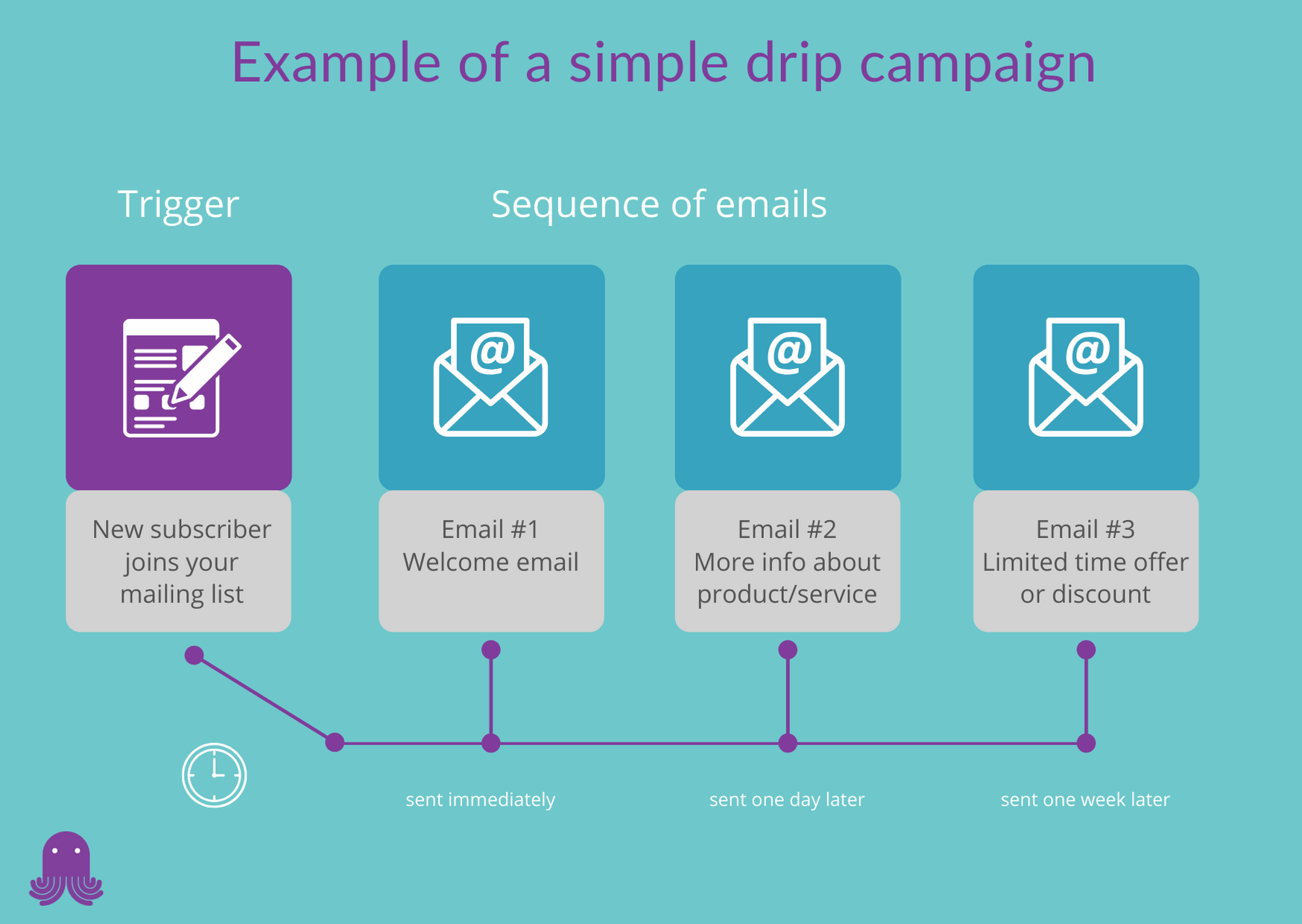
Drip campaigns are a powerful tool for nurturing leads and driving conversions. They are pre-programmed sequences of emails or messages that are automatically sent to your customers based on their behavior and interactions with your business. For example, a welcome email series could be sent to new subscribers, while a product recommendation email series could be sent to customers who have purchased a specific product in the past.
CRM and Drip Campaigns: A Powerful Partnership
CRM systems and drip campaigns work together to provide a more personalized and effective customer experience. By integrating CRM data with your drip campaigns, you can tailor the content and timing of your messages to each individual customer. This means that you can deliver relevant and timely messages that are more likely to resonate with your audience.
Benefits of CRM with Drip Campaigns
Integrating a CRM system with drip campaigns offers numerous advantages for businesses looking to optimize their marketing efforts, nurture leads, and foster customer loyalty. By automating personalized communication sequences, businesses can streamline their marketing processes, enhance customer engagement, and ultimately drive conversions and sales.
Improved Efficiency and Automation
One of the most significant benefits of using a CRM with drip campaigns is the ability to automate repetitive tasks, freeing up valuable time for your marketing team to focus on strategic initiatives.
- Automated Email Sequences: Drip campaigns allow you to schedule and send automated email sequences based on specific triggers, such as website visits, form submissions, or purchase history. This eliminates the need for manual follow-ups, ensuring that leads are consistently nurtured and engaged.
- Personalized Content Delivery: CRM systems can personalize email content based on individual customer data, such as preferences, demographics, and purchase history. This personalized approach makes the communication more relevant and impactful, leading to higher engagement rates.
- Streamlined Workflows: Drip campaigns can be integrated with other CRM features, such as lead scoring and segmentation, to create automated workflows that manage leads and customers through the sales funnel. This ensures that leads are nurtured at the right time with the right message.
Enhanced Customer Engagement and Retention
Drip campaigns play a crucial role in fostering long-term customer relationships by providing consistent and personalized communication throughout the customer journey.
- Personalized and Relevant Messaging: By leveraging customer data, drip campaigns deliver personalized messages that resonate with individual needs and interests. This increases the likelihood of customers opening, reading, and interacting with your emails.
- Nurturing Leads and Building Relationships: Drip campaigns provide a consistent flow of valuable content, offers, and updates, keeping leads engaged and informed throughout the sales cycle. This helps build trust and rapport, increasing the likelihood of conversion.
- Improved Customer Retention: By delivering relevant and timely communication, drip campaigns can encourage repeat purchases and loyalty. This can be achieved through personalized recommendations, exclusive offers, and targeted promotions based on customer behavior and preferences.
Increased Sales and Conversions
By effectively nurturing leads and fostering customer relationships, drip campaigns can significantly contribute to increased sales and conversions.
- Targeted Lead Nurturing: Drip campaigns can be used to segment leads based on their stage in the sales funnel, allowing you to deliver targeted messages that address their specific needs and interests. This helps move leads through the funnel more effectively and increases the likelihood of conversion.
- Improved Lead Qualification: By tracking engagement metrics and analyzing customer behavior, drip campaigns can help you identify and qualify leads who are most likely to convert. This allows you to focus your sales efforts on high-potential leads, improving conversion rates.
- Increased Sales Opportunities: Drip campaigns can be used to promote new products or services, introduce special offers, and remind customers of upcoming events. This can generate new sales opportunities and increase revenue.
Types of Drip Campaigns
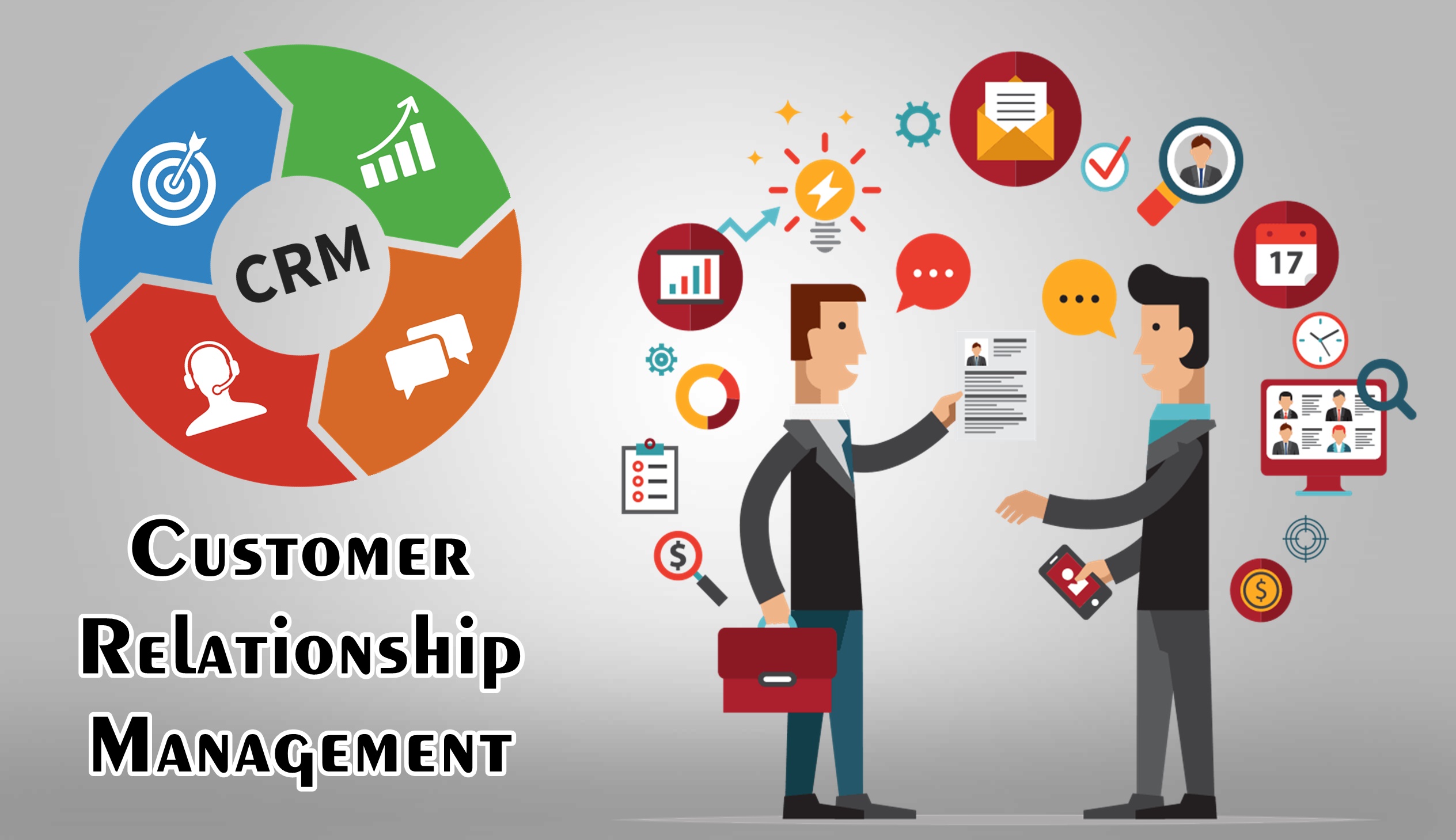
Drip campaigns are a powerful tool for nurturing leads, building relationships, and driving conversions. They can be customized to target different audiences and achieve specific goals. Here’s a breakdown of different types of drip campaigns and their applications.
Welcome Campaigns
Welcome campaigns are a great way to introduce new leads to your brand and set the stage for a positive customer experience. They typically include a series of emails that welcome new subscribers, provide valuable information, and encourage engagement.
Benefits
- Introduce your brand and value proposition.
- Build trust and rapport with new leads.
- Encourage early engagement and interaction.
Drawbacks
- Can be repetitive if not carefully crafted.
- May not be relevant to all new subscribers.
Examples
- A welcome email series for a new e-commerce store could include an introduction to the brand, a discount code for the first purchase, and a link to a blog post about the store’s top products.
- A welcome email series for a software company could include a product demo, a guide to getting started, and a link to a knowledge base article.
Nurturing Campaigns
Nurturing campaigns are designed to keep leads engaged and move them through the sales funnel. They typically include a series of emails that provide valuable content, address common objections, and encourage leads to take the next step.
Benefits
- Educate leads about your products or services.
- Build relationships and trust over time.
- Move leads closer to a purchase decision.
Drawbacks
- Can be time-consuming to create and manage.
- May not be effective if the content is not relevant or engaging.
Examples
- A nurturing campaign for a financial advisor could include emails that provide tips on investing, saving, and retirement planning.
- A nurturing campaign for a marketing agency could include emails that share case studies, blog posts, and industry insights.
Promotional Campaigns
Promotional campaigns are designed to drive sales and generate revenue. They typically include a series of emails that highlight special offers, promotions, and discounts.
Benefits
- Increase sales and revenue.
- Drive traffic to your website or store.
- Encourage repeat purchases.
Drawbacks
- Can be perceived as spammy if not carefully crafted.
- May not be effective if the offers are not compelling.
Examples
- A promotional campaign for a clothing store could include emails that highlight new arrivals, sales, and exclusive discounts.
- A promotional campaign for a travel agency could include emails that offer special deals on flights, hotels, and vacation packages.
Re-engagement Campaigns
Re-engagement campaigns are designed to re-activate inactive leads and bring them back into the sales funnel. They typically include a series of emails that remind leads about your brand, offer valuable content, and encourage them to re-engage.
Benefits
- Reactivate inactive leads.
- Generate new leads and sales.
- Increase customer lifetime value.
Drawbacks
- May not be effective if the content is not relevant or engaging.
- Can be time-consuming to create and manage.
Examples
- A re-engagement campaign for a software company could include emails that highlight new features, offer free trials, and provide case studies.
- A re-engagement campaign for a fitness center could include emails that offer free classes, promote special events, and share success stories.
Post-Purchase Campaigns
Post-purchase campaigns are designed to enhance the customer experience after a purchase. They typically include a series of emails that thank customers for their purchase, provide product information, and encourage repeat business.
Benefits
- Improve customer satisfaction.
- Increase customer loyalty.
- Encourage repeat purchases.
Drawbacks
- Can be time-consuming to create and manage.
- May not be effective if the content is not relevant or engaging.
Examples
- A post-purchase campaign for an online retailer could include emails that provide shipping updates, offer product recommendations, and ask for customer feedback.
- A post-purchase campaign for a service provider could include emails that schedule follow-up appointments, offer discounts on future services, and provide helpful resources.
Setting Up a CRM with Drip Campaign
Setting up a CRM system for drip campaigns involves a series of steps that ensure your system is tailored to your business needs and effectively automates your marketing efforts. By following these steps, you can maximize the efficiency and effectiveness of your drip campaigns.
Choosing the Right CRM Software
Selecting the right CRM software is crucial for a successful drip campaign implementation. The ideal CRM should be tailored to your business needs and offer features that align with your marketing goals. Here are some key factors to consider when choosing CRM software:
- Scalability: Your CRM should be able to accommodate your business growth, handling increasing data volumes and contact lists.
- Integration: Ensure your CRM integrates seamlessly with other essential business tools like your website, email marketing platform, and analytics tools.
- User-Friendliness: The CRM should be easy to navigate and use, even for non-technical users.
- Pricing: Consider the cost of the CRM, including subscription fees and any additional features or support.
- Customer Support: Choose a CRM provider that offers responsive and reliable customer support.
Essential Features for a CRM with Drip Campaign Functionality
The right CRM for drip campaigns should offer specific features that streamline the automation process. Here are essential features to look for:
- Automation Rules: The CRM should allow you to set up automated rules for triggering different actions based on user behavior, such as sending emails, updating contact information, or assigning tasks.
- Email Marketing Capabilities: The CRM should include email marketing tools for creating and sending personalized emails to different segments of your audience.
- Segmentation: You should be able to segment your contacts into different groups based on demographics, behavior, or other criteria to target specific audiences with tailored messages.
- Reporting and Analytics: The CRM should provide insights into the performance of your drip campaigns, allowing you to track key metrics and make data-driven decisions.
- Workflow Management: The CRM should offer tools for creating and managing complex workflows that automate tasks and streamline processes.
Creating Effective Drip Campaigns
Drip campaigns are powerful tools for nurturing leads and driving conversions. To maximize their effectiveness, it’s crucial to create compelling and engaging content that resonates with your audience.
Crafting Compelling Drip Campaign Content
Compelling drip campaign content is crucial for keeping your audience engaged. To achieve this, consider the following strategies:
- Focus on Value: Every piece of content should provide value to your audience, addressing their pain points, offering solutions, or providing helpful information. Avoid generic content that doesn’t resonate with their specific needs.
- Personalization: Tailor your content to individual preferences and interests. Use data collected through your CRM to segment your audience and deliver relevant messages.
- Storytelling: Engage your audience with stories that connect emotionally. Share relatable experiences, case studies, or testimonials that demonstrate the value of your product or service.
- Call to Action (CTA): Every email should include a clear CTA that encourages the recipient to take the next desired action, such as visiting your website, downloading a resource, or signing up for a webinar.
- Visual Appeal: Incorporate visuals like images, videos, and infographics to break up text and enhance engagement. Use high-quality visuals that are relevant to your content.
Designing a Drip Campaign Sequence
A well-structured drip campaign sequence guides your audience through a journey, nurturing them towards a desired outcome. Here’s a template for a successful sequence:
- Welcome Email: This initial email introduces your brand, welcomes new subscribers, and provides a brief overview of your offerings.
- Example: “Welcome to [Brand Name]! We’re thrilled to have you join our community. Here’s a quick overview of what we offer and how we can help you achieve your goals.”
- Educational Content: Share valuable resources that educate your audience about your industry, product, or service.
- Example: “Learn about the latest trends in [industry] and how they can impact your business. Download our free guide: [guide title].”
- Case Studies and Testimonials: Showcase real-world success stories that demonstrate the benefits of your product or service.
- Example: “[Customer Name] saw a [percentage] increase in [metric] after implementing [product/service]. Read their full story here.”
- Limited-Time Offer: Introduce a special offer or discount to incentivize action.
- Example: “Get [discount percentage] off your first purchase when you use code [code] at checkout.”
- Follow-Up Email: Reach out to leads who haven’t engaged with your previous emails, providing additional value or a reminder of your offerings.
- Example: “We noticed you haven’t downloaded our latest ebook. Click here to access valuable insights on [topic].”
Optimizing Drip Campaign Performance
Data analysis is crucial for optimizing drip campaign performance. By tracking key metrics, you can identify areas for improvement and refine your strategy:
- Open Rates: Analyze open rates to assess the effectiveness of your subject lines and email content. Test different subject lines and optimize for higher engagement.
- Click-Through Rates (CTR): Track click-through rates to understand how well your CTAs are performing. Optimize your CTAs for clarity and relevance.
- Conversion Rates: Monitor conversion rates to measure the success of your drip campaign in achieving your goals. Analyze the performance of different campaign elements to identify areas for improvement.
Examples of CRM with Drip Campaign in Action
CRM with drip campaigns is a powerful tool that can be used to achieve a variety of business goals. To illustrate this, let’s look at some real-world examples of companies that have successfully implemented CRM with drip campaigns.
Examples of Companies Effectively Using CRM with Drip Campaigns
Here are a few examples of companies that have used CRM with drip campaigns to achieve specific business goals:
- Amazon: Amazon uses drip campaigns to nurture leads and encourage repeat purchases. They send out emails to customers who have recently browsed products, abandoned their shopping carts, or made a purchase. These emails often include personalized recommendations, exclusive discounts, and reminders about upcoming events. This helps Amazon increase customer engagement and drive sales.
- HubSpot: HubSpot uses drip campaigns to educate prospects about their products and services. They send out a series of emails that provide valuable information, answer common questions, and build trust with potential customers. This helps HubSpot generate leads and convert them into paying customers.
- Airbnb: Airbnb uses drip campaigns to re-engage inactive users. They send out emails to customers who haven’t booked a stay in a while, offering them special deals, discounts, and personalized recommendations. This helps Airbnb increase customer retention and boost revenue.
How These Companies Have Leveraged CRM and Drip Campaigns
These companies have leveraged CRM and drip campaigns in different ways to achieve their business objectives. Let’s examine how:
- Amazon: Amazon uses its CRM system to track customer behavior and preferences. They use this data to personalize their drip campaigns and send relevant messages to each customer. For example, if a customer browses a specific product category, Amazon might send them an email with personalized recommendations from that category. This personalized approach helps Amazon increase engagement and conversions.
- HubSpot: HubSpot uses its CRM to segment its audience and send targeted drip campaigns. They can send different messages to different segments based on their interests, needs, and stage in the sales funnel. For example, they might send a different drip campaign to prospects who are just starting to learn about HubSpot than to those who are already familiar with the platform. This targeted approach helps HubSpot improve the effectiveness of its campaigns.
- Airbnb: Airbnb uses its CRM to identify inactive users and send them re-engagement campaigns. They can segment inactive users based on their past booking history, travel preferences, and other factors. They might send a different drip campaign to users who haven’t booked in a while than to those who have recently booked but haven’t booked again. This targeted approach helps Airbnb re-engage inactive users and drive repeat bookings.
Results and Impact of These Campaigns on Customer Engagement and Sales, Crm with drip campaign
These companies have seen significant results from their CRM with drip campaign strategies. Here’s how:
- Amazon: Amazon’s drip campaigns have helped them increase customer engagement and drive sales. Their personalized recommendations and exclusive discounts have encouraged customers to make repeat purchases. They have also seen an increase in customer satisfaction and loyalty.
- HubSpot: HubSpot’s drip campaigns have helped them generate leads and convert them into paying customers. Their educational content has helped prospects understand the value of HubSpot’s products and services. They have also seen an increase in brand awareness and market share.
- Airbnb: Airbnb’s drip campaigns have helped them re-engage inactive users and drive repeat bookings. Their special deals and discounts have encouraged inactive users to book again. They have also seen an increase in customer retention and revenue.
Future Trends in CRM with Drip Campaigns
The landscape of CRM and drip campaign technology is constantly evolving, driven by advancements in artificial intelligence (AI), machine learning (ML), and the ever-increasing demand for personalized customer experiences. These trends are shaping the future of how businesses engage with their customers, leading to more targeted, efficient, and ultimately, more effective marketing campaigns.
The Rise of AI and Machine Learning in Personalization
AI and ML are revolutionizing the way businesses understand and interact with their customers. These technologies enable CRM platforms to analyze vast amounts of customer data, identify patterns, and predict customer behavior with unprecedented accuracy. This information can then be used to create highly personalized drip campaigns that cater to individual customer needs and preferences.
- Predictive Analytics: AI algorithms can analyze customer data to predict future behavior, such as purchase likelihood, churn risk, and product preferences. This information can be used to create targeted drip campaigns that nudge customers towards desired actions.
- Personalized Content: AI can dynamically tailor content based on customer profiles, browsing history, and past interactions. This ensures that customers receive relevant and engaging messages that resonate with their interests.
- Automated Campaign Optimization: ML algorithms can continuously analyze campaign performance and make adjustments in real-time to optimize engagement and conversion rates. This ensures that drip campaigns remain effective and relevant over time.
“By 2025, AI-powered personalization will be responsible for 80% of customer interactions.” – Gartner
Creating Seamless Customer Experiences
The goal of CRM with drip campaigns is to create a seamless and personalized customer experience across all touchpoints. This means delivering the right message at the right time, on the right channel, to the right customer.
- Multi-channel Integration: CRM platforms are increasingly integrating with various marketing channels, such as email, SMS, social media, and chatbots. This allows businesses to deliver consistent and personalized experiences across all touchpoints.
- Customer Journey Mapping: By understanding the customer journey, businesses can identify key touchpoints and create targeted drip campaigns that guide customers through the sales funnel and beyond.
- Real-time Personalization: AI and ML enable real-time personalization based on customer behavior and context. This ensures that drip campaigns are always relevant and engaging, regardless of the customer’s current stage in the journey.
“By 2024, 75% of organizations will be using customer journey mapping to improve the customer experience.” – Gartner
Last Recap: Crm With Drip Campaign
Integrating CRM with drip campaigns unlocks a world of possibilities for businesses seeking to enhance customer engagement and drive results. By understanding your audience, segmenting your lists, and crafting compelling content, you can create personalized journeys that foster loyalty, drive conversions, and ultimately contribute to your business success.
Questions Often Asked
What are some examples of successful drip campaigns?
Welcome series for new subscribers, abandoned cart reminders, product recommendations based on past purchases, and educational content series are popular and effective examples of drip campaigns.
How can I measure the effectiveness of my drip campaigns?
Track key metrics such as open rates, click-through rates, conversion rates, and customer lifetime value to assess the performance of your drip campaigns.
What are some tips for creating compelling drip campaign content?
Focus on providing value to your audience, use a conversational tone, segment your lists for personalized messaging, and include clear calls to action.