Recruiting CRM tools have become indispensable for organizations seeking to optimize their talent acquisition processes. These powerful platforms streamline the entire recruitment lifecycle, from attracting and engaging candidates to managing applications, conducting interviews, and ultimately, making hiring decisions. By centralizing all recruitment activities, recruiting CRM tools provide a comprehensive and unified view of the candidate journey, enabling recruiters to work smarter, not harder.
Recruiting CRM tools are distinct from traditional CRM systems in that they are specifically designed to manage the complex and multifaceted nature of the recruitment process. They offer a range of features tailored to the unique needs of recruiters, such as candidate tracking, applicant management, communication automation, and job posting management. These features empower recruiters to efficiently manage their candidate pipelines, nurture relationships with potential hires, and ultimately, make more informed hiring decisions.
What is a Recruiting CRM Tool?
A recruiting CRM tool is a software solution designed specifically to manage and streamline the recruitment process. It acts as a centralized hub for all your recruitment activities, from candidate sourcing to onboarding.
Purpose of a Recruiting CRM Tool
A recruiting CRM tool helps you organize and manage your recruitment process more effectively. It helps you:
- Track candidate information and interactions.
- Automate tasks like sending emails and scheduling interviews.
- Analyze recruitment data to improve your hiring process.
- Collaborate with your team on recruitment activities.
Differences from Other CRM Software
While recruiting CRM tools share some similarities with general CRM software, they are specifically designed for the unique needs of the recruitment process. Here are some key differences:
- Focus on candidate management: Recruiting CRM tools prioritize candidate data and interactions, while general CRM software focuses on customer relationships.
- Talent pipeline management: Recruiting CRM tools offer features for managing talent pipelines, tracking candidate progress, and nurturing relationships with potential candidates.
- Integration with job boards and other recruitment tools: Recruiting CRM tools often integrate with job boards, applicant tracking systems (ATS), and other recruitment platforms.
Common Features of Recruiting CRM Tools
Here are some common features found in recruiting CRM tools:
- Candidate sourcing and tracking: These features help you find and track potential candidates from various sources, such as job boards, social media, and referrals.
- Applicant tracking: This feature helps you manage the flow of applications, track candidate progress through the hiring process, and communicate with candidates.
- Interview scheduling and management: These features help you schedule interviews, send interview reminders, and manage interview feedback.
- Candidate communication and engagement: These features help you communicate with candidates effectively, send personalized messages, and keep them engaged throughout the hiring process.
- Reporting and analytics: These features provide insights into your recruitment process, helping you identify areas for improvement and make data-driven decisions.
Benefits of Using a Recruiting CRM Tool
A recruiting CRM tool can be a game-changer for recruitment agencies and companies, streamlining processes, improving efficiency, and enhancing the candidate experience. By centralizing all recruitment data, automating tasks, and providing valuable insights, these tools empower recruiters to make informed decisions and achieve better results.
Improved Efficiency and Productivity
A recruiting CRM tool automates repetitive tasks, such as sending emails, scheduling interviews, and tracking applications, freeing up recruiters’ time to focus on more strategic activities.
- Automated communication: Automated email sequences and personalized messages can be used to keep candidates engaged and informed throughout the recruitment process. This reduces the time spent on manual communication and ensures consistent messaging.
- Streamlined candidate tracking: A CRM tool provides a centralized database for storing and managing candidate information, including resumes, applications, and interview notes. This eliminates the need for multiple spreadsheets or manual tracking systems, making it easy to find and access relevant information quickly.
- Improved collaboration: Team members can collaborate effectively by sharing notes, feedback, and candidate information within the CRM platform. This ensures everyone is on the same page and eliminates communication silos.
Enhanced Candidate Experience
A recruiting CRM tool can enhance the candidate experience by providing a more personalized and efficient recruitment process.
- Faster response times: Automated communication and tracking features allow recruiters to respond to candidates promptly, keeping them informed and engaged throughout the process. This improves the candidate experience and reduces the likelihood of candidates dropping out.
- Personalized communication: CRM tools can be used to personalize communication with candidates, addressing their specific needs and interests. This makes candidates feel valued and appreciated, enhancing their overall experience.
- Seamless application process: CRM tools can integrate with job boards and applicant tracking systems, providing a streamlined application process for candidates. This reduces friction and makes the application process more user-friendly.
Data-Driven Insights and Decision-Making
Recruiting CRM tools provide valuable data and insights that can inform recruitment strategies and improve decision-making.
- Candidate sourcing effectiveness: Tracking the source of each candidate allows recruiters to identify the most effective channels for attracting talent. This data can be used to optimize sourcing strategies and improve the return on investment (ROI) for recruitment efforts.
- Time-to-hire metrics: CRM tools track the time it takes to fill open positions, providing valuable insights into the efficiency of the recruitment process. This data can be used to identify bottlenecks and improve the speed of hiring.
- Candidate engagement metrics: Tracking candidate engagement levels, such as email open rates and website visits, provides insights into the effectiveness of recruitment campaigns and the overall candidate experience.
Key Features of Recruiting CRM Tools
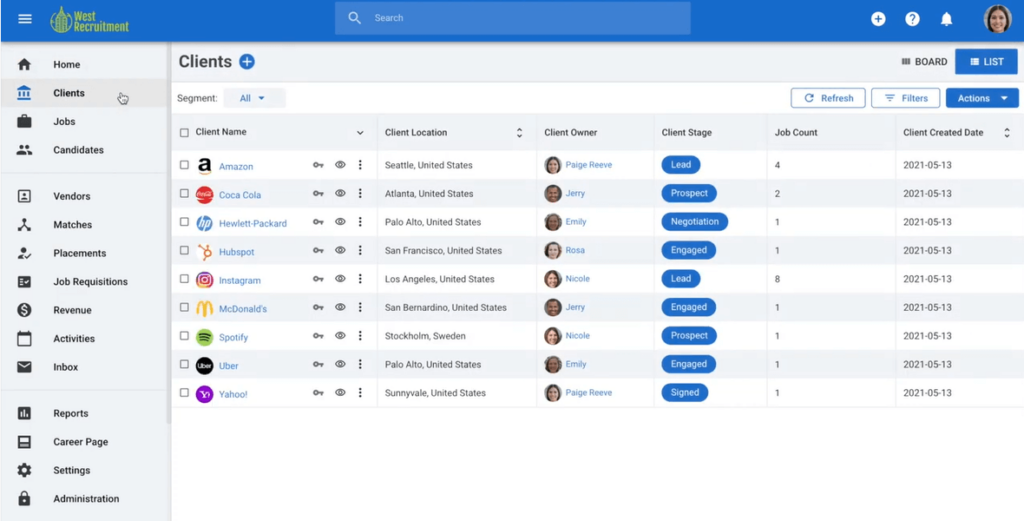
Recruiting CRM tools offer a range of features designed to streamline and optimize the recruitment process. These features provide a comprehensive solution for managing candidates, automating communication, and analyzing recruitment data.
Candidate Tracking
Candidate tracking is a fundamental feature of recruiting CRM tools. It allows recruiters to manage candidate information efficiently, track their progress through the recruitment funnel, and make informed decisions.
| Feature | Description | Benefits | Examples |
|---|---|---|---|
| Candidate Profiles | Centralized storage of candidate information, including contact details, resumes, skills, experience, and interview notes. | Provides a comprehensive view of each candidate, facilitates communication, and supports informed decision-making. | A recruiter can access a candidate’s profile to review their resume, see their application status, and view interview notes. |
| Application Tracking | Tracks the status of applications, including submission dates, interview schedules, and hiring decisions. | Ensures efficient management of applications, reduces the risk of missed deadlines, and provides transparency in the hiring process. | A recruiter can see which candidates have applied for a specific job, the stage of the application process, and when interviews are scheduled. |
| Candidate Pipeline Management | Organizes candidates into different stages of the recruitment funnel, such as applied, screened, interviewed, and hired. | Provides a clear overview of the recruitment pipeline, identifies bottlenecks, and facilitates efficient allocation of resources. | A recruiter can view the number of candidates in each stage of the pipeline, track progress, and identify areas for improvement. |
Applicant Management
Applicant management features simplify the process of handling applications and communicating with candidates. These features ensure efficient screening, communication, and feedback.
| Feature | Description | Benefits | Examples |
|---|---|---|---|
| Application Screening | Automated tools to filter applications based on specific criteria, such as s, skills, and experience. | Reduces the time spent manually screening applications, improves efficiency, and ensures that only qualified candidates are considered. | A recruiter can set up automated screening rules to identify candidates with specific skills or experience, filtering out unqualified applicants. |
| Candidate Communication | Automated email and SMS communication for sending application confirmations, interview invites, and feedback. | Streamlines communication with candidates, ensures timely updates, and enhances the candidate experience. | A recruiter can send automated emails to candidates confirming their application, scheduling interviews, or providing feedback. |
| Feedback Management | Provides tools for collecting and managing feedback from interviewers, candidates, and hiring managers. | Ensures consistent feedback, improves decision-making, and provides valuable insights for future recruitment efforts. | A recruiter can collect feedback from interviewers on candidate performance, analyze the feedback to make hiring decisions, and use it to improve future interview processes. |
Choosing the Right Recruiting CRM Tool: Recruiting Crm Tools
Selecting the right recruiting CRM tool is crucial for optimizing your recruitment process and achieving your hiring goals. The ideal tool will depend on your organization’s specific needs and requirements.
Factors to Consider When Choosing a Recruiting CRM Tool, Recruiting crm tools
Choosing the right recruiting CRM tool is a critical decision. Here are some key factors to consider:
| Criteria | Considerations | Examples |
|---|---|---|
| Size of Organization | Small businesses may benefit from simpler, more affordable tools, while larger organizations may require more advanced features and scalability. | Small businesses: Greenhouse, Lever. Large organizations: Workday, Oracle Taleo |
| Budget | Consider your budget constraints and the return on investment you expect from a recruiting CRM tool. | Free or freemium: Recruiterflow, Breezy HR. Paid: Jobvite, SmartRecruiters |
| Specific Features Needed | Identify the features that are most important to your recruitment process, such as applicant tracking, candidate communication, onboarding, or reporting. | Applicant tracking: Greenhouse, Lever. Candidate communication: Jobvite, SmartRecruiters. Onboarding: BambooHR, Workday. Reporting: Oracle Taleo, Workday |
| Integration Capabilities | Ensure the recruiting CRM tool integrates seamlessly with your existing HR systems and other tools. | Applicant tracking systems (ATS): Greenhouse, Lever. Human resources information systems (HRIS): Workday, BambooHR. Customer relationship management (CRM) systems: Salesforce, HubSpot |
Implementing and Using a Recruiting CRM Tool
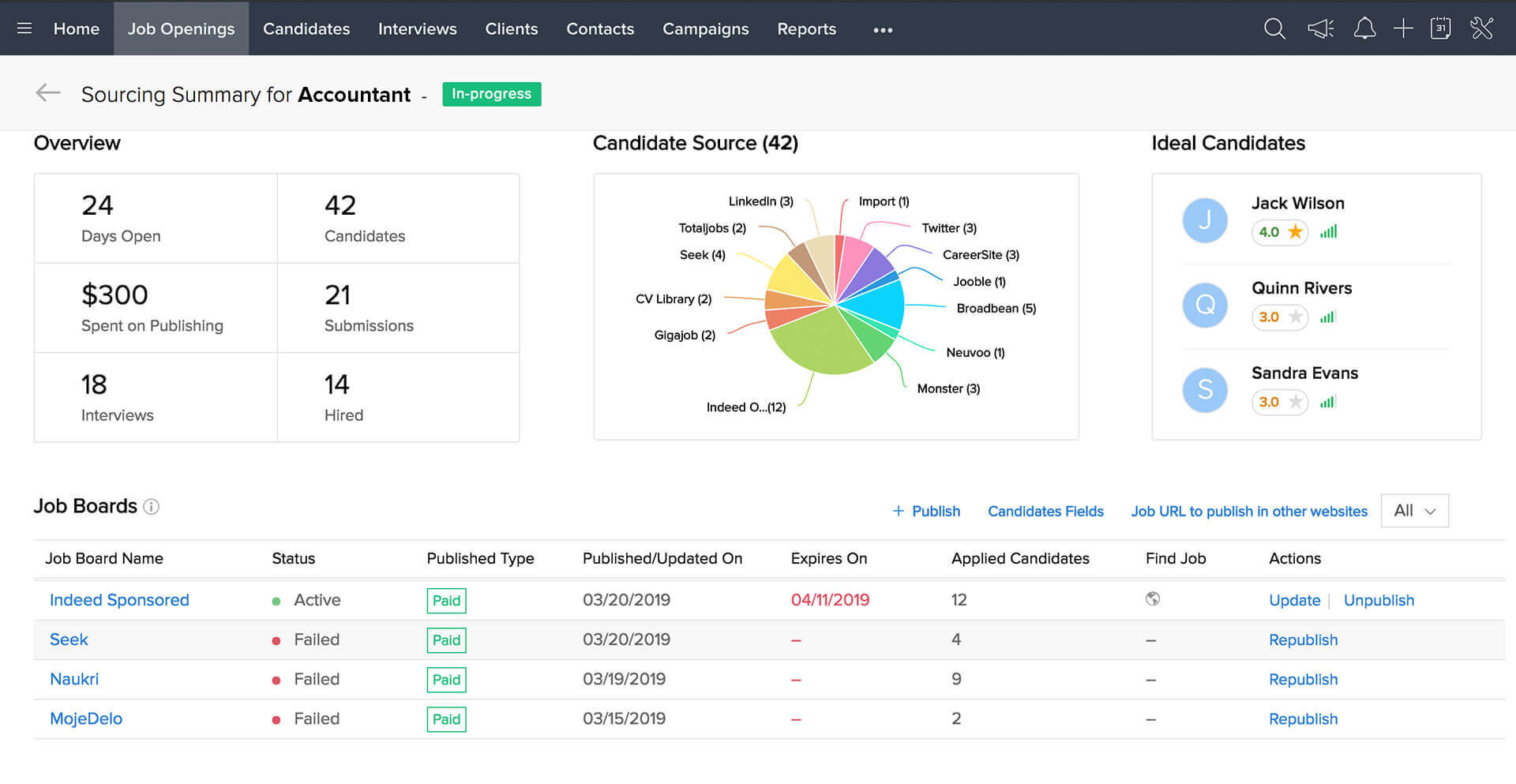
Successfully implementing a recruiting CRM tool requires careful planning and execution. It involves not only the technical setup but also the training and adoption of the tool by your team. This section will delve into the essential steps for implementation, training strategies, and best practices for maximizing the effectiveness of your recruiting CRM.
Implementing a Recruiting CRM Tool
Implementing a recruiting CRM tool involves a series of steps that ensure a smooth transition and optimal utilization. These steps are designed to address the technical setup, data migration, and user access requirements.
- Select and Configure the Tool: Choose a recruiting CRM that aligns with your organization’s needs and budget. Configure the tool’s settings, including workflows, custom fields, and integrations with other systems.
- Data Migration: Migrate existing candidate and recruiting data into the new CRM. This process may require data cleansing and standardization to ensure data integrity.
- User Access and Roles: Establish user roles and permissions to control access to different features and data within the CRM.
- Integration with Existing Systems: Integrate the recruiting CRM with other HR systems, such as applicant tracking systems (ATS), HRIS, and email marketing platforms.
- Testing and Training: Conduct thorough testing of the system to ensure it functions correctly and meets your requirements. Train users on the CRM’s features and functionality.
- Go-Live and Support: Launch the recruiting CRM to your team and provide ongoing support to users. Monitor the system’s performance and address any issues that arise.
Training and Onboarding Users
Effective training and onboarding are crucial for successful adoption of the recruiting CRM. A well-structured training program ensures users understand the tool’s capabilities and can leverage them effectively.
- Develop a Comprehensive Training Plan: Create a training plan that covers all aspects of the recruiting CRM, including core features, workflows, and best practices.
- Offer Multiple Training Options: Provide a variety of training options to accommodate different learning styles. This could include online courses, in-person workshops, or one-on-one coaching sessions.
- Provide Ongoing Support: Offer ongoing support to users after the initial training. This could include FAQs, user guides, and access to a dedicated support team.
- Encourage User Feedback: Regularly solicit feedback from users to identify areas for improvement in the training program and the CRM itself.
Optimizing Recruiting CRM Usage
Optimizing the use of a recruiting CRM involves establishing best practices and strategies to maximize its effectiveness. These practices ensure that the CRM becomes an integral part of your recruiting process.
- Establish Clear Goals and Metrics: Define specific goals for using the CRM and track key metrics to measure progress. This could include metrics such as time-to-hire, candidate satisfaction, and quality of hire.
- Standardize Workflows: Develop standardized workflows for common recruiting tasks, such as candidate sourcing, screening, interviewing, and onboarding. This ensures consistency and efficiency.
- Automate Tasks: Utilize the CRM’s automation features to streamline repetitive tasks, such as sending emails, scheduling interviews, and managing candidate communications.
- Leverage Data and Analytics: Analyze data from the CRM to gain insights into recruiting trends, candidate preferences, and the effectiveness of different recruiting strategies.
- Continuously Improve: Regularly review and refine your use of the CRM to optimize its effectiveness and ensure it aligns with evolving recruiting needs.
Case Studies of Successful Recruiting CRM Tool Implementations
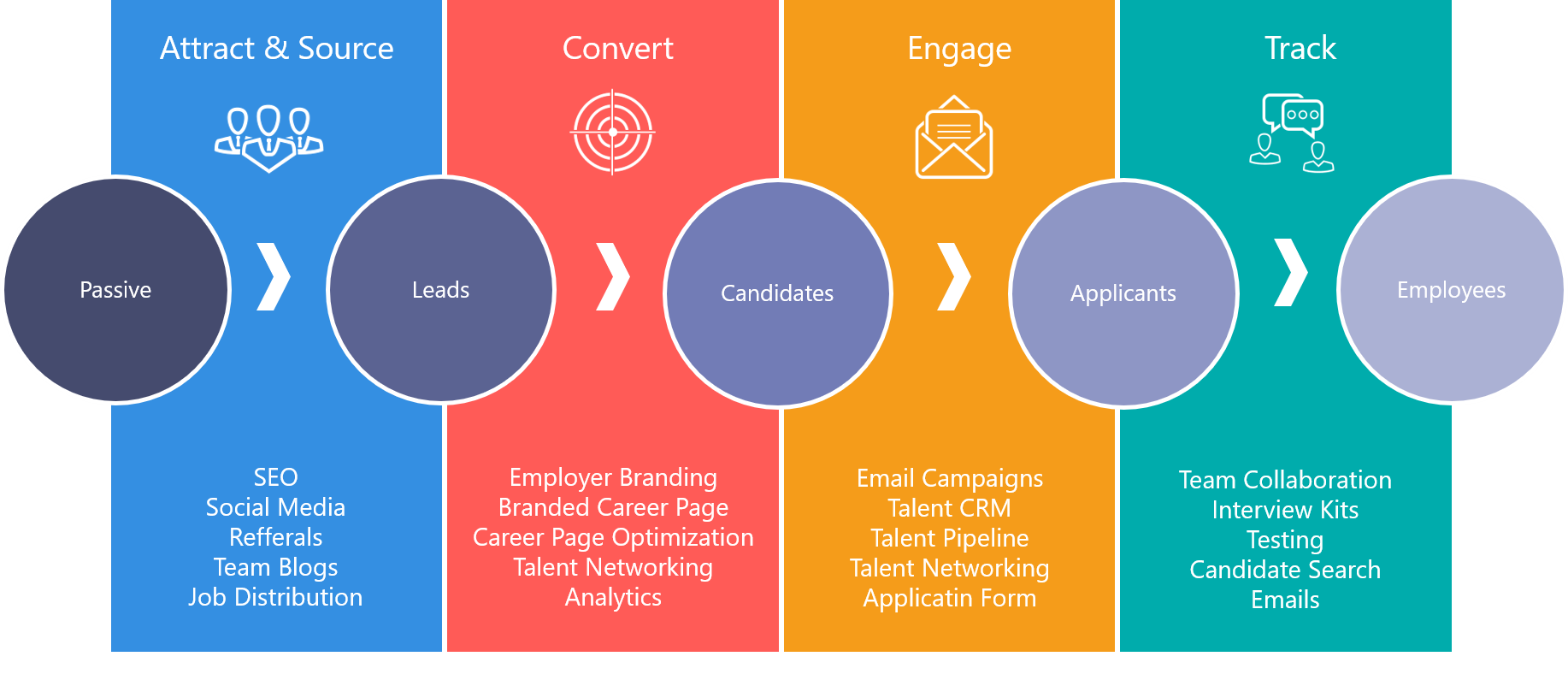
Recruiting CRM tools have become increasingly popular in recent years, with many organizations realizing the significant benefits they offer in streamlining the recruitment process and improving hiring outcomes. To gain a deeper understanding of the real-world impact of these tools, let’s explore some case studies of organizations that have successfully implemented recruiting CRM tools.
Case Study: Company X
Company X, a global technology firm, faced significant challenges in managing its recruitment process. The company’s previous manual system was inefficient and time-consuming, leading to delays in hiring and a high cost-per-hire. To address these challenges, Company X implemented a recruiting CRM tool that helped automate various aspects of the recruitment process, including candidate sourcing, screening, and communication.
- Challenges Faced: Before implementing the recruiting CRM tool, Company X struggled with a manual recruitment process, resulting in a high cost-per-hire and a lengthy time-to-hire. The company’s outdated system lacked the necessary features for effectively managing candidates and tracking their progress through the recruitment funnel.
- Strategies Used: Company X implemented a recruiting CRM tool to automate many tasks associated with the recruitment process. The tool allowed the company to streamline candidate sourcing, screening, and communication, which helped reduce the time-to-hire and improve the overall efficiency of the recruitment process.
- Impact on Key Metrics: After implementing the recruiting CRM tool, Company X experienced a significant reduction in its time-to-hire and cost-per-hire. The tool also helped improve candidate satisfaction by providing a more efficient and transparent recruitment experience.
Case Study: Company Y
Company Y, a leading financial services firm, was looking to improve its candidate experience and increase the diversity of its workforce. The company’s existing recruitment process was not optimized for attracting and engaging a diverse pool of candidates. To address this, Company Y implemented a recruiting CRM tool that provided features for creating a more inclusive recruitment experience.
- Challenges Faced: Company Y faced challenges in attracting and engaging a diverse pool of candidates, leading to a lack of diversity in its workforce. The company’s previous recruitment process was not designed to accommodate the needs of a diverse candidate pool.
- Strategies Used: Company Y implemented a recruiting CRM tool that provided features for creating a more inclusive recruitment experience. The tool helped the company track diversity metrics and identify areas for improvement. It also provided features for creating a more personalized and engaging candidate experience.
- Impact on Key Metrics: After implementing the recruiting CRM tool, Company Y saw a significant increase in the diversity of its workforce. The tool also helped improve candidate satisfaction by providing a more personalized and engaging recruitment experience.
Future Trends in Recruiting CRM Tools
The recruiting landscape is constantly evolving, driven by technological advancements and changing hiring practices. Recruiting CRM tools are at the forefront of this evolution, incorporating innovative features to streamline the recruitment process and enhance efficiency. This section explores emerging trends in the recruiting CRM landscape, analyzing their potential impact and offering predictions about the future of these tools.
AI-Powered Features
Artificial intelligence (AI) is rapidly transforming the recruiting industry, and recruiting CRM tools are embracing this transformative technology. AI-powered features are enhancing various aspects of the recruitment process, from candidate sourcing and screening to interview scheduling and candidate engagement.
Here are some ways AI is enhancing recruiting CRM tools:
- Automated Candidate Sourcing: AI-powered tools can analyze vast amounts of data from various sources, such as job boards, social media platforms, and company websites, to identify potential candidates who match specific job requirements. This automated sourcing process saves recruiters time and effort, allowing them to focus on other critical tasks.
- Enhanced Candidate Screening: AI algorithms can analyze candidate resumes and profiles to identify key skills, experience, and qualifications, making the screening process more efficient and objective. This helps recruiters prioritize candidates who best fit the role, reducing the time spent reviewing unqualified applications.
- Personalized Candidate Engagement: AI-powered chatbots and communication tools can provide personalized candidate experiences, answering questions, scheduling interviews, and providing updates throughout the hiring process. This personalized approach improves candidate satisfaction and reduces drop-off rates.
- Predictive Analytics: AI can analyze historical data to predict candidate behavior, identify potential hiring bottlenecks, and recommend strategies for improving the recruitment process. This data-driven approach allows recruiters to make informed decisions and optimize their recruitment efforts.
The integration of AI-powered features in recruiting CRM tools is expected to continue, leading to further automation, improved candidate experience, and data-driven decision-making.
Last Recap
In today’s competitive job market, organizations need every advantage to attract and secure top talent. Recruiting CRM tools provide a powerful solution, empowering recruiters to streamline their processes, enhance candidate engagement, and ultimately, achieve better hiring outcomes. By embracing the capabilities of these innovative platforms, organizations can transform their recruitment strategies, attract the best candidates, and build high-performing teams.
FAQ Compilation
What are the best recruiting CRM tools for small businesses?
Some popular options for small businesses include Greenhouse, Workday, and Jobvite. These tools offer a balance of functionality and affordability for growing companies.
How can I integrate a recruiting CRM tool with my existing HR systems?
Many recruiting CRM tools offer seamless integrations with popular HR platforms, such as BambooHR, ADP, and Paychex. Check the specific tool’s documentation for compatibility information.
What is the average cost of a recruiting CRM tool?
The cost of recruiting CRM tools can vary widely depending on the features, functionality, and the size of your organization. Some tools offer free or freemium plans, while others require subscription fees based on the number of users or candidates.