Completely free CRM, a revolutionary concept, offers a lifeline to businesses seeking powerful customer relationship management tools without the hefty price tag. This approach empowers startups and small businesses to leverage advanced features for managing contacts, tracking leads, and nurturing relationships, all without sacrificing financial stability. Imagine a world where you can seamlessly manage your customer interactions, streamline sales processes, and boost marketing efforts, all for free.
While free CRM solutions might seem too good to be true, they’re increasingly gaining traction as businesses realize the value of efficient customer management. These platforms offer a wealth of features, often rivaling paid options, allowing you to optimize your customer journey and unlock growth potential without the burden of hefty subscriptions.
What is a CRM?: Completely Free Crm
A CRM, or Customer Relationship Management, is a software system that helps businesses manage their interactions with customers and potential customers. Think of it as a central hub for all your customer-related information and activities.
A CRM system consolidates customer data, streamlines communication, and automates tasks, ultimately improving customer satisfaction and business growth.
Core Functionalities of a CRM
CRM systems offer a range of functionalities to support various business needs. Here are some core functionalities:
- Contact Management: A CRM helps you organize and manage customer information, including contact details, purchase history, communication logs, and preferences. This centralized database provides a comprehensive view of each customer, enabling personalized interactions.
- Lead Management: CRMs help track and nurture potential customers (leads) through their journey, from initial contact to conversion. This includes assigning leads to sales representatives, managing follow-ups, and automating lead scoring based on predefined criteria.
- Sales Automation: CRMs automate repetitive sales tasks, such as sending email campaigns, scheduling appointments, and generating quotes. This frees up sales teams to focus on more strategic activities, such as building relationships and closing deals.
- Marketing Automation: CRMs integrate with marketing tools to automate marketing campaigns, personalize content, and track campaign performance. This allows businesses to target the right audience with the right message at the right time.
- Customer Service and Support: CRMs provide a platform for managing customer support requests, tracking issues, and resolving queries. This helps businesses improve response times, enhance customer satisfaction, and build stronger relationships.
- Reporting and Analytics: CRMs offer powerful reporting and analytics tools to track key metrics, identify trends, and gain insights into customer behavior. This data-driven approach enables businesses to make informed decisions and optimize their strategies.
Examples of Common CRM Tasks
CRMs simplify and streamline various tasks related to customer management. Here are some examples:
- Managing Contacts: A CRM allows you to store and organize customer contact information, including names, addresses, phone numbers, email addresses, and social media profiles. This central repository ensures easy access to customer data, facilitating personalized communication and targeted marketing.
- Tracking Leads: CRMs help track the progress of potential customers (leads) through their journey, from initial contact to conversion. This involves recording interactions, managing follow-ups, and analyzing lead scores to prioritize efforts and maximize conversion rates.
- Scheduling Appointments: CRMs integrate with calendars and scheduling tools to streamline appointment booking and management. This ensures efficient scheduling, reduces conflicts, and improves communication with customers.
Benefits of Using a CRM
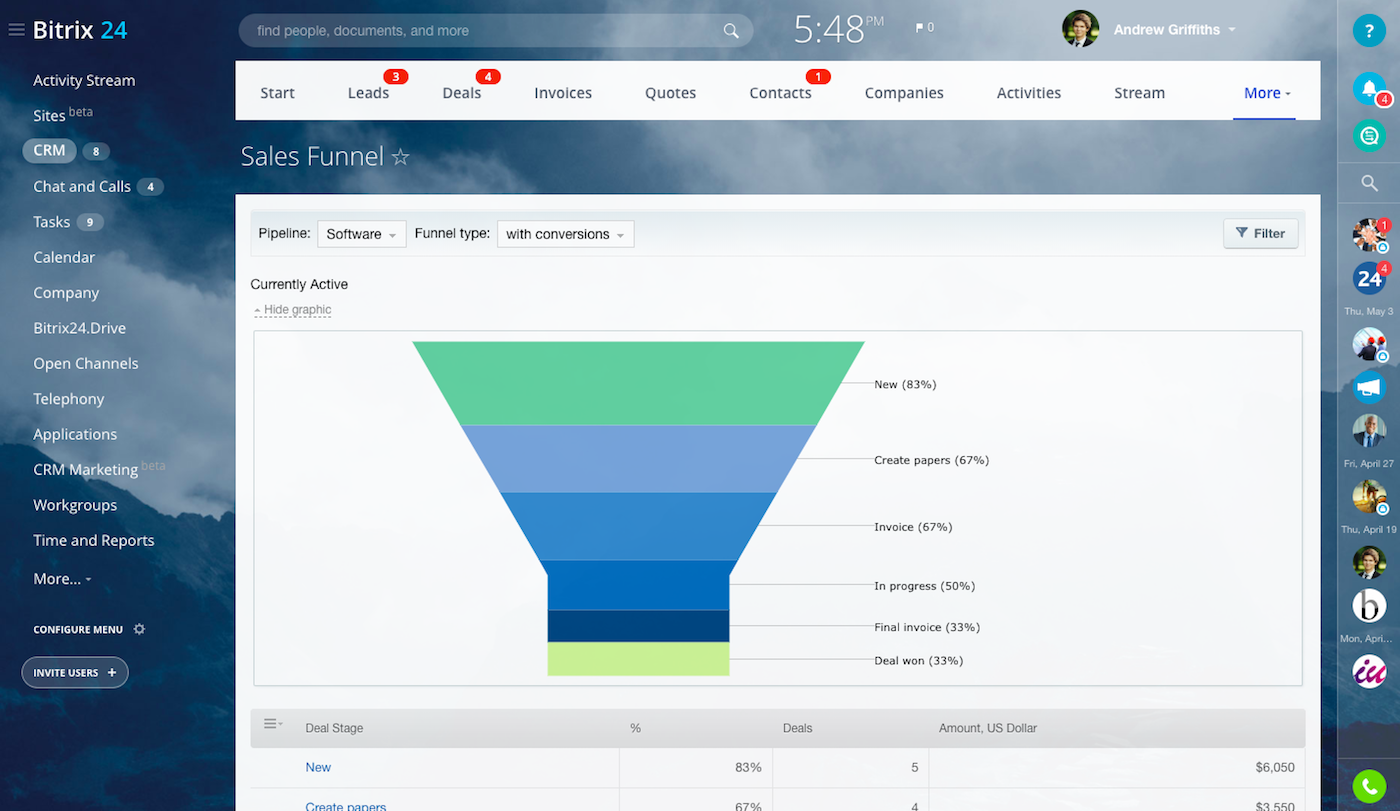
A CRM system can be a game-changer for businesses of all sizes, offering a multitude of benefits that can lead to improved customer relationships, increased sales, and enhanced efficiency. By centralizing customer information and streamlining interactions, CRM systems empower businesses to provide personalized experiences, optimize marketing efforts, and drive growth.
Improved Customer Relationships
A CRM system acts as a central repository for all customer data, including contact information, purchase history, interactions, and preferences. This comprehensive view allows businesses to gain a deeper understanding of their customers and tailor their interactions accordingly. By leveraging customer insights, businesses can personalize communications, provide relevant recommendations, and anticipate customer needs. This personalized approach fosters stronger customer relationships, leading to increased loyalty and retention.
Boosting Sales and Marketing Efforts
CRM systems provide valuable tools for sales and marketing teams to optimize their efforts and drive revenue. By tracking leads, opportunities, and sales pipelines, sales teams can prioritize their efforts, identify potential deals, and close more sales. CRM systems also enable targeted marketing campaigns based on customer segmentation and behavior. By delivering personalized messages and offers, businesses can improve campaign effectiveness and increase conversion rates.
Increased Efficiency and Productivity
CRM systems automate repetitive tasks, such as data entry and email marketing, freeing up valuable time for sales and marketing teams to focus on strategic initiatives. By streamlining workflows and eliminating manual processes, CRM systems enhance efficiency and productivity across the organization. This increased efficiency translates into cost savings and improved time management.
The Need for a “Completely Free” CRM
In today’s business landscape, adopting a CRM solution is no longer a luxury but a necessity for organizations of all sizes. However, the cost of traditional paid CRM solutions can be a significant barrier for small businesses or startups with limited budgets. This is where the concept of “completely free” CRM emerges as a viable alternative, offering a cost-effective way to manage customer relationships and drive business growth.
Challenges and Costs of Traditional Paid CRM Solutions
Traditional paid CRM solutions can be expensive, with various pricing tiers and features that may not be relevant or necessary for all businesses. These costs can include:
- Initial Setup Fees: Many paid CRM solutions charge upfront fees for installation, configuration, and data migration.
- Monthly or Annual Subscription Fees: Paid CRM solutions typically require recurring monthly or annual subscription fees based on the number of users, features, and storage capacity.
- Additional Costs: Other costs associated with paid CRM solutions can include training, customization, integration with other software, and ongoing support.
These costs can be a significant burden for small businesses or startups, especially those operating on tight budgets. The high cost of paid CRM solutions can prevent these organizations from adopting such solutions and realizing their potential benefits.
Features to Consider in a Free CRM
Finding a free CRM that meets your needs can be challenging, as many free options have limited functionality. Before diving into specific options, let’s discuss key features you should consider.
Essential Features for Small Businesses
It’s important to consider features that cater to your business needs. Here are some essential features to look for in a free CRM:
- Contact Management: A free CRM should allow you to store and manage contact information, including names, email addresses, phone numbers, and company details. It should also allow you to segment your contacts into different groups for targeted communication.
- Lead Management: A free CRM should provide basic lead management features, such as capturing leads from your website, tracking their interactions with your business, and assigning leads to specific sales representatives.
- Email Marketing: Many free CRMs offer basic email marketing features, allowing you to send out newsletters, promotional emails, and follow-up messages to your contacts.
- Reporting and Analytics: Basic reporting and analytics features are crucial for understanding your CRM data. You should be able to track key metrics like lead conversions, customer engagement, and sales performance.
Comparing Free CRM Options
| Feature | CRM 1 | CRM 2 | CRM 3 |
|---|---|---|---|
| Contact Management | Yes | Yes | Yes |
| Lead Management | Yes | Yes | Limited |
| Email Marketing | Basic | Advanced | None |
| Reporting and Analytics | Basic | Advanced | Basic |
| Integrations | Limited | Extensive | Limited |
| Customer Support | Email Only | Phone and Email | Community Forum |
Limitations of Free CRM
Free CRMs often have limitations, including:
- Limited Functionality: Free CRMs often lack advanced features like automation, complex reporting, and robust integrations.
- Storage Limits: Free plans often have limited storage space for contacts, leads, and other data.
- Limited User Accounts: Many free CRMs restrict the number of users who can access the system.
- No Phone Support: Free plans typically only offer email support, which can be slower than phone support.
- Potential for Upselling: Free CRM providers often try to upsell you to paid plans with more features.
Examples of Free CRM Solutions

The market offers several free CRM solutions that can be valuable for small businesses and startups. These platforms provide essential features to manage customer interactions, track sales opportunities, and improve customer relationships without the need for a paid subscription.
Free CRM Options
Here is a list of popular free CRM solutions with their key features and functionalities:
- HubSpot CRM: HubSpot CRM is a popular free option that offers a robust set of features, including contact management, email marketing, and basic reporting. It is known for its user-friendly interface and integration with other HubSpot tools.
- Zoho CRM: Zoho CRM is another comprehensive free CRM solution that provides features such as contact management, lead tracking, and sales automation. It offers a free plan with limited features but is a good option for businesses looking for a free CRM with a wide range of functionalities.
- Freshsales: Freshsales is a free CRM solution that focuses on sales automation and lead management. It offers features such as email tracking, call logging, and automated workflows.
- Pipedrive: Pipedrive is a free CRM solution that is designed to help businesses manage their sales pipeline. It offers features such as deal tracking, sales forecasting, and activity logging.
- Insightly: Insightly is a free CRM solution that is known for its project management capabilities. It offers features such as contact management, task management, and project tracking.
Comparison of Features and Functionalities
The free CRM solutions mentioned above offer a variety of features and functionalities.
- Contact Management: All of the free CRM solutions listed above offer basic contact management features, such as storing contact information, creating custom fields, and segmenting contacts.
- Lead Management: Most free CRM solutions provide lead tracking and management features, allowing businesses to capture leads, qualify them, and nurture them through the sales funnel.
- Sales Automation: Some free CRM solutions offer basic sales automation features, such as email templates, automated workflows, and task reminders.
- Reporting and Analytics: The reporting and analytics capabilities of free CRM solutions vary. Some offer basic reports, while others provide more advanced analytics features.
- Integrations: The integration options for free CRM solutions also vary. Some offer integrations with popular business applications, while others have limited integration capabilities.
Pros and Cons of Free CRM Solutions
Free CRM solutions offer a cost-effective way for businesses to manage their customer relationships. However, they also have some limitations.
-
Pros:
- Cost-effective: Free CRM solutions are a great way to get started with CRM without any upfront costs.
- Easy to use: Many free CRM solutions are designed to be user-friendly and easy to learn.
- Essential features: Free CRM solutions typically offer essential features for managing customer interactions and tracking sales opportunities.
-
Cons:
- Limited features: Free CRM solutions often have limited features compared to paid plans.
- Limited support: Free CRM solutions may offer limited customer support.
- Data storage limitations: Free CRM solutions may have limits on the amount of data you can store.
- Limited customization: Free CRM solutions may offer limited customization options.
Tips for Choosing the Right Free CRM
Finding the right free CRM for your business can feel like navigating a maze. With so many options available, it’s easy to get overwhelmed. But don’t worry, we’re here to help you make the right choice.
Assessing Your Needs
The first step is to understand what you need from a CRM. Think about the size of your business, your specific industry, and the functionalities you require.
- Do you need a CRM to manage contacts, track leads, or automate marketing campaigns?
- Are you looking for a CRM that integrates with other business tools you already use?
- What level of customer support do you require?
Once you have a clear picture of your needs, you can start evaluating free CRM solutions.
Asking the Right Questions
Before you commit to a free CRM, it’s essential to ask yourself these questions:
- Is the CRM truly free, or are there hidden fees or limitations?
- What features are included in the free plan?
- How many users can you add to the free plan?
- What are the storage limits?
- What are the customer support options for free users?
- Does the CRM offer a free trial of the paid version?
- Does the CRM have a good reputation?
Avoiding Common Pitfalls
While free CRMs offer a cost-effective solution, it’s crucial to avoid these common pitfalls:
- Don’t be swayed by flashy features: Focus on the features you need, not the ones that sound impressive. A free CRM with limited features might be a better choice than one with lots of bells and whistles that you won’t use.
- Don’t underestimate the importance of support: Free CRMs often have limited customer support. Consider whether the CRM offers adequate support for your needs.
- Don’t forget about security: Free CRMs may have less robust security measures than paid CRMs. Ensure the CRM you choose has adequate security protocols.
Implementing and Using a Free CRM
Successfully implementing a free CRM system requires careful planning and execution. Integrating it seamlessly with your existing business processes ensures optimal utilization and maximizes its value.
Integrating a Free CRM with Existing Business Processes
Integrating a free CRM system with your existing business processes is crucial for efficient workflow. The integration process involves mapping out your current workflows, identifying areas where the CRM can add value, and customizing the CRM to fit your needs.
- Identify key business processes: Analyze your existing workflows, including customer interactions, sales cycles, marketing campaigns, and customer service operations. This step helps identify specific areas where a CRM can streamline processes and improve efficiency.
- Map CRM functionalities to existing processes: Match the CRM’s features with your existing workflows. For example, if you manage customer interactions through emails, integrate the CRM’s email marketing module to automate communication.
- Customize the CRM: Most free CRM solutions offer customization options. Tailor the system to align with your unique business processes and data structures. This ensures data consistency and efficient data flow.
- Implement data migration: If you have existing customer data, consider migrating it to the CRM. This requires a structured approach to ensure data accuracy and completeness.
Training Staff on Using the Free CRM, Completely free crm
Effective training is essential for maximizing the value of a free CRM. It ensures your team understands how to use the system efficiently and effectively.
- Develop comprehensive training materials: Create training guides, tutorials, and videos that cover all aspects of the CRM, including its features, functionalities, and best practices.
- Conduct hands-on training sessions: Provide practical training sessions where staff can interact with the CRM and practice using its features.
- Offer ongoing support: Establish a system for ongoing support, such as FAQs, helpdesk access, or dedicated CRM specialists. This ensures your team can resolve issues and access assistance when needed.
- Encourage user feedback: Regularly collect feedback from your staff on their CRM experience. This feedback can help identify areas for improvement and enhance user adoption.
Maximizing the Value of a Free CRM
A free CRM can be a valuable tool for businesses of all sizes. To maximize its value, it’s essential to utilize its features effectively and continuously monitor its performance.
- Utilize all CRM features: Explore the CRM’s full range of features to identify opportunities for process optimization and data-driven decision making.
- Track key metrics: Monitor important metrics, such as customer acquisition cost, customer lifetime value, and conversion rates. This data provides insights into CRM effectiveness and identifies areas for improvement.
- Integrate with other business tools: Connect the CRM with other essential business tools, such as email marketing platforms, social media management tools, and accounting software. This creates a seamless workflow and enhances data visibility.
- Continuously evaluate and refine: Regularly evaluate the CRM’s performance and identify areas for improvement. Make necessary adjustments to optimize its functionality and maximize its value for your business.
Closing Notes

The availability of completely free CRM options has redefined the landscape of customer relationship management, making powerful tools accessible to businesses of all sizes. By carefully considering your needs, exploring various free CRM solutions, and implementing them effectively, you can harness the power of these platforms to drive customer engagement, boost sales, and propel your business forward. Remember, a well-chosen free CRM can be the key to unlocking growth and achieving your business goals without breaking the bank.
Top FAQs
What are the limitations of free CRM solutions?
Free CRM solutions often have limitations in terms of features, storage space, and user support. While they provide a solid foundation for managing customer relationships, you may need to upgrade to a paid plan for advanced functionalities or if your business experiences significant growth.
Are free CRM solutions secure?
Security is a major concern for any software, including free CRM solutions. Choose reputable providers with established security measures and data encryption protocols. It’s also essential to review their privacy policies and understand how they handle your customer data.
Can I integrate a free CRM with other business tools?
Many free CRM solutions offer integration options with popular business tools such as email marketing platforms, social media platforms, and accounting software. Check the specific integrations available before choosing a free CRM to ensure compatibility with your existing systems.