Best email CRM for small business is crucial for success in today’s competitive market. By leveraging an email CRM, small businesses can effectively nurture customer relationships, automate marketing tasks, and gain valuable insights into their audience. This powerful tool allows you to personalize communication, track customer engagement, and ultimately drive conversions.
From managing contact lists and sending targeted campaigns to analyzing results and optimizing strategies, an email CRM empowers small businesses to streamline their marketing efforts and achieve tangible results. Whether you’re a startup or an established company, a well-chosen email CRM can significantly contribute to your growth and profitability.
Email Marketing for Small Businesses
In today’s competitive business landscape, small businesses need every advantage they can get to thrive. Email marketing is a powerful tool that can help you connect with your customers, build relationships, and drive sales.
Using an email CRM can streamline your email marketing efforts and make it easier to manage your customer relationships.
Benefits of Using an Email CRM
An email CRM can help you achieve your marketing goals by providing a centralized platform for managing your email marketing activities. Here are some of the key benefits:
- Improved Customer Segmentation: An email CRM allows you to segment your email list based on factors like demographics, purchase history, and engagement. This enables you to send targeted messages that are more relevant to each recipient, increasing the chances of engagement and conversions.
- Personalized Email Campaigns: By leveraging customer data, you can personalize email content, subject lines, and offers to create a more engaging experience. This can lead to higher open rates, click-through rates, and conversions.
- Automated Email Sequences: An email CRM allows you to automate email sequences based on specific triggers, such as welcome emails, abandoned cart reminders, and follow-up messages. This saves time and ensures that your customers receive timely and relevant communication.
- Track Email Performance: With detailed analytics and reporting, you can track the performance of your email campaigns and identify areas for improvement. This data can help you optimize your email strategy and achieve better results.
- Manage Customer Relationships: An email CRM acts as a central hub for managing customer interactions. You can store customer information, track their activity, and manage communication in one place.
Key Features to Look for in an Email CRM
Here are some key features to consider when choosing an email CRM for your small business:
- Email Marketing Automation: The CRM should allow you to automate email campaigns and sequences, saving you time and effort.
- Contact Management: The CRM should provide robust contact management capabilities, including segmentation, list management, and data import/export.
- Email Analytics and Reporting: The CRM should offer detailed analytics and reporting on email performance, including open rates, click-through rates, and conversions.
- Integration with Other Tools: The CRM should integrate with other tools you use, such as your website, e-commerce platform, and social media accounts.
- Customer Support: Look for an email CRM that offers reliable customer support to help you get the most out of the platform.
Top Email CRMs for Small Businesses
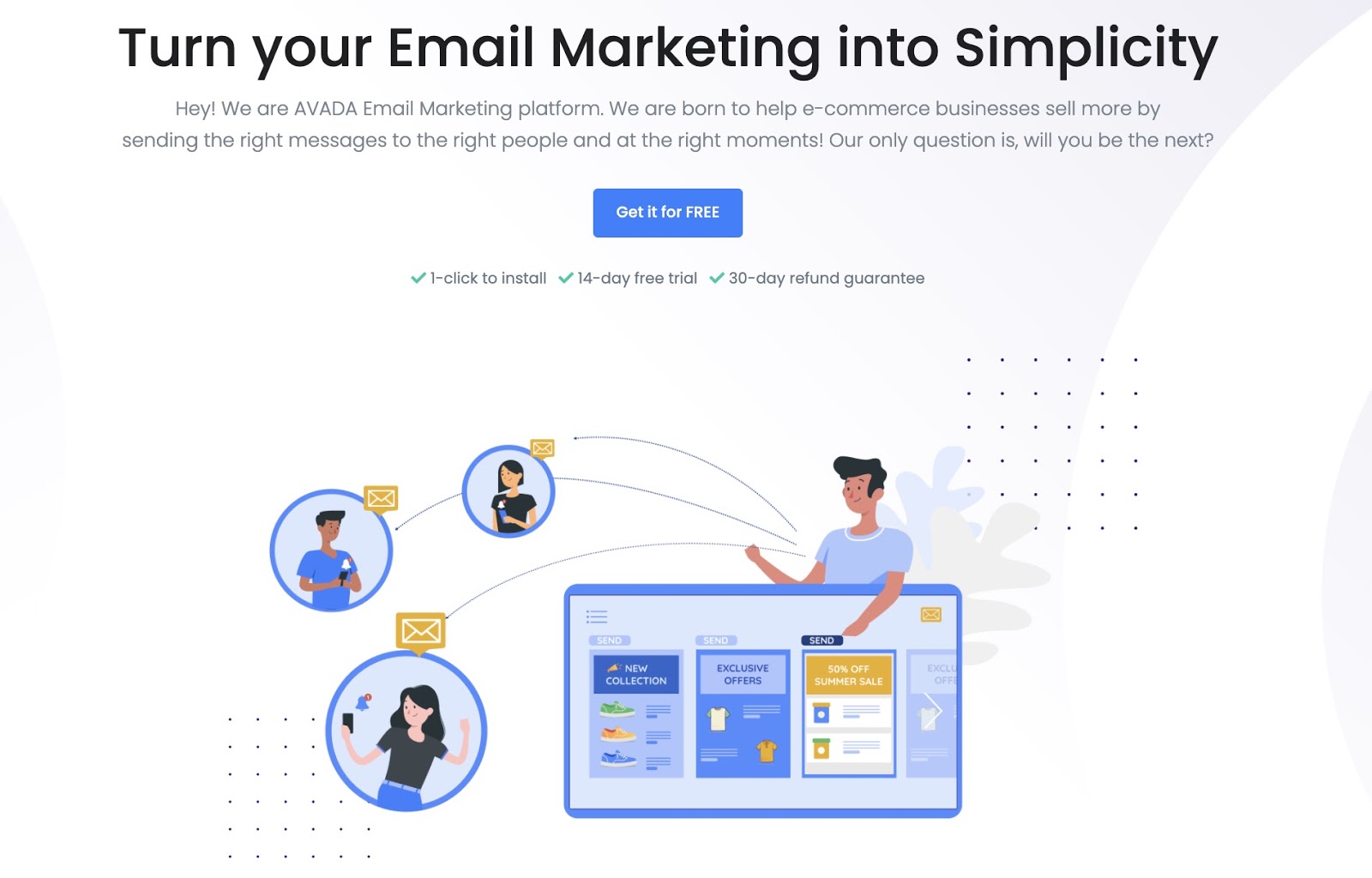
Choosing the right email CRM can be a game-changer for small businesses, enabling them to streamline their marketing efforts, nurture leads, and ultimately drive sales.
Top Email CRMs for Small Businesses
Here’s a comparison of some of the top email CRMs for small businesses, highlighting their pricing, key features, pros, and cons:
| CRM Name | Pricing | Key Features | Pros | Cons |
|---|---|---|---|---|
| Mailchimp | Free plan available, paid plans start at $11/month | Email marketing automation, contact management, landing page builder, analytics, social media integration | Easy to use, affordable, wide range of features | Limited automation for advanced users, customer support can be slow |
| Constant Contact | Paid plans start at $20/month | Email marketing automation, contact management, event marketing, analytics, social media integration | Strong customer support, user-friendly interface, robust analytics | Pricing can be higher than some competitors, limited advanced automation features |
| ActiveCampaign | Paid plans start at $9/month | Email marketing automation, contact management, sales automation, website tracking, analytics | Powerful automation features, comprehensive analytics, robust CRM functionality | Steeper learning curve, more expensive than some alternatives |
| Sendinblue | Free plan available, paid plans start at $25/month | Email marketing automation, contact management, SMS marketing, transactional emails, analytics | Affordable, good value for money, multiple communication channels | Limited advanced automation features, customer support can be inconsistent |
Factors to Consider When Choosing an Email CRM
Choosing the right email CRM for your small business is crucial for effective email marketing campaigns. The right CRM can help you streamline your processes, automate tasks, and ultimately drive more sales. However, with so many options available, it can be overwhelming to know where to start.
The Importance of Specific Business Needs
It’s essential to consider the specific needs of your business when choosing an email CRM. What works for one company may not be the best fit for another. Factors such as your industry, target audience, and marketing goals will all play a role in determining the right CRM for you.
Key Factors to Consider
Here are some key factors to consider when choosing an email CRM for your small business:
Budget
Budget is often a major factor in decision-making. Email CRMs come in a wide range of prices, from free options to enterprise-level solutions.
- Consider your budget and what features are most important to you.
- Free CRMs can be a good option for small businesses with limited budgets, but they may have limited features.
- Paid CRMs offer more features and support, but they can be more expensive.
Features
Different email CRMs offer different features. Consider the features that are most important to your business.
- Some common features include email automation, list segmentation, analytics, and reporting.
- If you need advanced features like A/B testing or social media integration, you may need to choose a paid CRM.
Ease of Use
The best email CRM for you is one that is easy to use and understand. If the CRM is too complicated, you may not use it to its full potential.
- Look for a CRM with a user-friendly interface and intuitive navigation.
- Consider trying out a free trial or demo to see how easy it is to use before committing to a paid plan.
Customer Support
Customer support is essential, especially when you’re first starting out. Look for an email CRM that offers reliable customer support.
- Consider the availability of customer support options, such as phone, email, and live chat.
- Read reviews from other users to get an idea of the quality of customer support.
Integration with Other Tools
If you use other marketing or business tools, make sure your email CRM integrates with them. This will help you streamline your processes and avoid data silos.
- For example, if you use a website builder like WordPress, make sure your email CRM integrates with it.
- Other tools to consider integrating with include social media platforms, analytics tools, and payment gateways.
Prioritizing Factors Based on Business Needs
The importance of each factor will vary depending on your specific business needs. For example, a small business with a limited budget may prioritize ease of use and affordability over advanced features. On the other hand, a business with a large marketing team may prioritize features and customer support.
It’s important to strike a balance between features, ease of use, and affordability when choosing an email CRM.
Tips for Using an Email CRM Effectively
An email CRM is a powerful tool for small businesses to nurture relationships with customers and boost sales. But to unlock its full potential, you need to use it strategically. Here are some tips to help you set up and configure your email CRM for optimal results, segment your email list effectively, and create targeted email campaigns that drive engagement and conversions.
Setting Up and Configuring Your Email CRM
Setting up your email CRM correctly is crucial for its effectiveness. Here’s how to do it:
- Import your existing contacts: Start by importing your existing contact list into your CRM. Ensure data accuracy and completeness, including names, email addresses, and other relevant information.
- Customize your email templates: Design professional and engaging email templates that align with your brand identity. Use clear subject lines, compelling content, and a consistent design to make your emails stand out.
- Integrate with other tools: Connect your CRM with other tools you use, such as your website, e-commerce platform, or social media accounts. This seamless integration allows for data synchronization and automated workflows.
- Set up automated workflows: Automate repetitive tasks like welcome emails, abandoned cart reminders, and follow-up messages. This saves time and ensures consistent communication with your customers.
Segmenting Your Email List
Segmenting your email list allows you to send targeted messages that resonate with specific groups of subscribers. Here are some effective segmentation strategies:
- Demographics: Segment your list based on age, location, gender, and other demographic factors. This allows you to tailor your messaging to specific audience groups.
- Purchase history: Categorize your subscribers based on their past purchases, such as product categories, spending habits, or loyalty status. This helps you send relevant product recommendations and promotions.
- Engagement level: Group your subscribers based on their engagement with your emails, such as open rates, click-through rates, and website visits. This helps you identify your most engaged customers and tailor your messaging accordingly.
- Lead stage: Segment your subscribers based on their position in the sales funnel, such as leads, prospects, or customers. This allows you to send targeted messages that align with their stage in the buying journey.
Creating Targeted Email Campaigns, Best email crm for small business
Once you have segmented your email list, you can create targeted email campaigns that resonate with specific groups of subscribers. Here are some best practices for crafting effective email campaigns:
- Personalize your messages: Use personalization tags to address your subscribers by name and tailor your messaging to their interests and preferences.
- Use clear and concise language: Write clear and concise emails that are easy to read and understand. Avoid jargon and technical terms that might confuse your audience.
- Include a strong call to action: Clearly state what you want your subscribers to do after reading your email. Use strong calls to action that encourage them to take the desired action.
- Test different subject lines: Experiment with different subject lines to see which ones perform best. Use A/B testing to compare different subject lines and identify the most effective ones.
Measuring the Success of Your Email Marketing Campaigns
Tracking the performance of your email marketing campaigns is essential for continuous improvement. Here are some key metrics to track:
- Open rates: This metric measures the percentage of subscribers who open your emails. A high open rate indicates that your subject lines are compelling and your emails are relevant to your audience.
- Click-through rates: This metric measures the percentage of subscribers who click on links within your emails. A high click-through rate indicates that your email content is engaging and your calls to action are effective.
- Conversion rates: This metric measures the percentage of subscribers who take a desired action, such as making a purchase, signing up for a webinar, or downloading a resource. A high conversion rate indicates that your email campaigns are driving results.
- Unsubscribe rates: This metric measures the percentage of subscribers who unsubscribe from your email list. A high unsubscribe rate could indicate that your emails are irrelevant or too frequent. Monitor this metric closely and make adjustments to your email strategy as needed.
Optimizing Your Email Marketing Approach
Based on your campaign performance data, you can optimize your email marketing approach for better results. Here are some strategies for optimization:
- Refine your segmentation: Experiment with different segmentation strategies to identify the most effective ones for your business. Regularly review your segmentation criteria and make adjustments as needed.
- Improve your email content: Analyze the performance of your email campaigns and identify areas for improvement. Test different content formats, writing styles, and calls to action to see what resonates best with your audience.
- Optimize your sending times: Experiment with different sending times to determine when your subscribers are most likely to open and engage with your emails. Use data from your email analytics to identify optimal sending times.
- Personalize your email interactions: Leverage your email CRM to personalize your interactions with individual subscribers. Use data about their interests, preferences, and past interactions to tailor your messages and create a more personalized experience.
Conclusion: Best Email Crm For Small Business
Choosing the right email CRM is crucial for small businesses to streamline their email marketing efforts, improve customer engagement, and ultimately drive more sales. By considering factors such as budget, features, integrations, and ease of use, businesses can select an email CRM that perfectly aligns with their needs and goals.
Key Takeaways
- Email marketing remains a powerful tool for small businesses to reach their target audience, nurture leads, and drive sales.
- Email CRMs simplify email marketing by automating tasks, providing valuable insights, and enhancing personalization.
- Popular email CRMs for small businesses include Mailchimp, Constant Contact, Sendinblue, and Moosend, each offering unique features and pricing plans.
- When selecting an email CRM, consider your budget, required features, integration needs, ease of use, and customer support options.
- Utilize email CRM features effectively to segment your audience, personalize emails, track campaign performance, and optimize your marketing strategies.
Closing Summary

Choosing the right email CRM is a significant decision for any small business. By carefully considering your specific needs, budget, and desired features, you can find a solution that aligns perfectly with your goals. With the right email CRM, you can unlock the potential of email marketing and propel your business to new heights. Start exploring the recommended options today and witness the transformative power of effective email marketing.
Expert Answers
What is the best email CRM for a small business with a limited budget?
There are several affordable email CRM options available, such as Mailchimp, Sendinblue, and Moosend. These platforms offer a range of features for small businesses at a reasonable price point.
How can I choose the right email CRM for my specific business needs?
Consider your budget, the features you require (like automation, analytics, and integrations), ease of use, and customer support. Research different options and compare their features to find the best fit for your business.
Is it necessary to have an email CRM for a small business?
While not mandatory, an email CRM can significantly enhance your email marketing efforts by streamlining processes, improving personalization, and providing valuable insights. It can be a valuable asset for any small business looking to grow its customer base and boost its revenue.