Ad agency CRM, a powerful tool that revolutionizes how agencies manage client relationships and campaigns, offers a centralized hub for managing all aspects of your business. By consolidating data, streamlining workflows, and automating tasks, ad agency CRM empowers agencies to operate more efficiently and effectively, leading to improved client satisfaction and enhanced campaign performance.
From contact management and campaign tracking to project collaboration and insightful reporting, ad agency CRM provides a comprehensive suite of features designed to optimize every stage of the marketing process. By leveraging the power of data and automation, ad agency CRM enables agencies to gain a deeper understanding of their clients, optimize campaign strategies, and ultimately deliver exceptional results.
Introduction to Ad Agency CRM
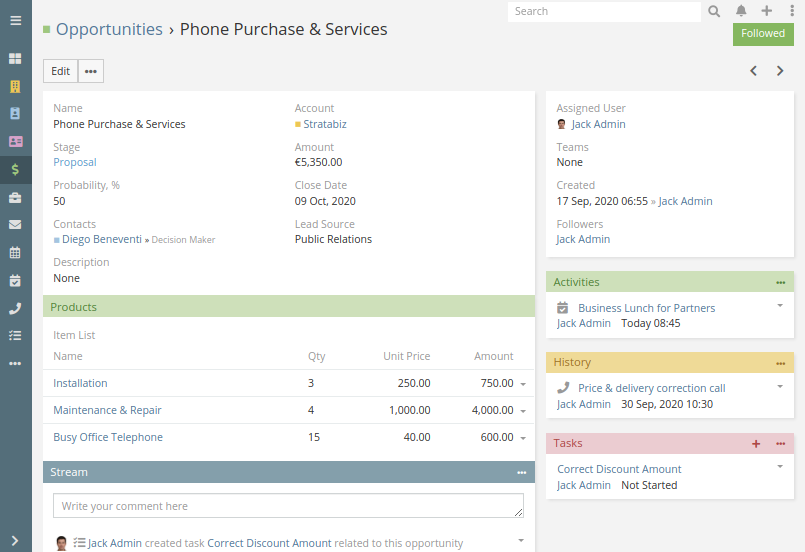
An ad agency CRM (Customer Relationship Management) is a specialized software solution designed to help advertising agencies manage their client relationships, projects, and workflows more effectively. It acts as a centralized hub for all client-related information, streamlining communication, collaboration, and data analysis.
An ad agency CRM goes beyond basic contact management, offering a comprehensive suite of tools tailored to the unique needs of the advertising industry.
Key Features and Functionalities, Ad agency crm
An ad agency CRM offers a wide range of features to enhance client relationships and streamline operations. Here are some key functionalities:
- Client Management: A comprehensive view of each client’s profile, including contact information, past projects, campaign details, budget, and communication history.
- Project Management: Tools to track project timelines, milestones, tasks, budgets, and resource allocation. This ensures smooth project execution and timely delivery.
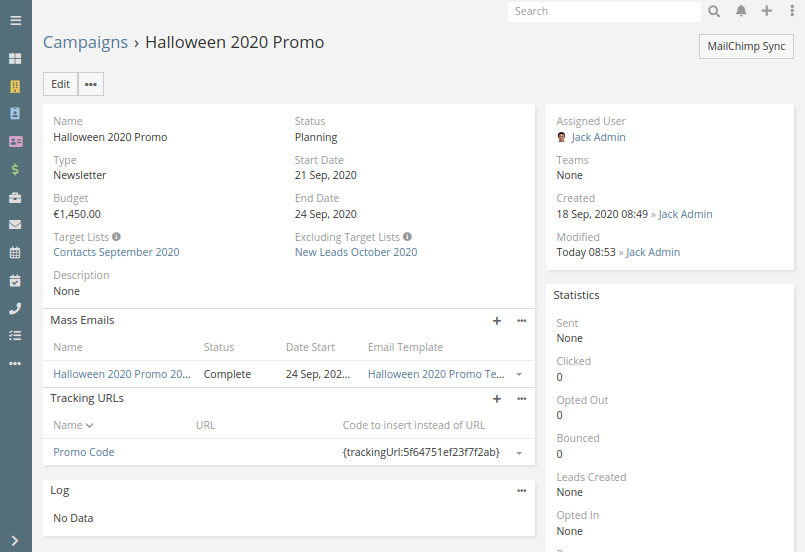
- Campaign Management: Features to plan, launch, and monitor advertising campaigns across different channels, including social media, email marketing, and search engine optimization ().
- Reporting and Analytics: Real-time data and reporting capabilities to track campaign performance, client satisfaction, and agency productivity. This helps identify areas for improvement and optimize strategies.
- Communication and Collaboration: Integrated communication tools like email, chat, and task management to facilitate seamless communication and collaboration among agency teams and clients.
- Lead Management: Features to capture and nurture leads, track their progress through the sales funnel, and convert them into paying clients.
Benefits of Implementing an Ad Agency CRM
Implementing an ad agency CRM can bring significant benefits, including:
- Improved Client Relationships: A centralized database provides a comprehensive view of each client, fostering personalized communication and better understanding of their needs. This leads to stronger relationships and increased client satisfaction.
- Enhanced Productivity and Efficiency: Streamlined workflows, automated tasks, and improved collaboration reduce administrative overhead, freeing up time for creative and strategic work. This leads to increased productivity and efficiency.
- Data-Driven Decision Making: Real-time insights and analytics enable agencies to make data-driven decisions about campaign strategies, resource allocation, and client acquisition. This leads to more effective campaigns and better business outcomes.
- Improved Communication and Collaboration: Integrated communication tools facilitate seamless communication and collaboration among agency teams and clients, reducing misunderstandings and delays. This leads to smoother project execution and improved teamwork.
- Increased Revenue and Profitability: By optimizing operations, improving client relationships, and generating data-driven insights, an ad agency CRM can help increase revenue and profitability.
Essential Components of an Ad Agency CRM
An ad agency CRM is more than just a contact database. It’s a comprehensive system designed to manage client relationships, streamline workflows, and optimize campaign performance. This section will delve into the core modules of an ad agency CRM, highlighting their critical role in driving agency success.
Contact Management
Effective contact management is the foundation of any successful ad agency. An ad agency CRM provides a centralized platform to store and manage client information, including contact details, communication history, project preferences, and campaign performance metrics. This detailed view allows agencies to:
- Personalize communication: By understanding client preferences and past interactions, agencies can tailor their communications for a more impactful experience. This could involve sending personalized email campaigns, offering relevant content, or addressing specific client needs.
- Improve client engagement: With a comprehensive view of client interactions, agencies can identify opportunities to engage clients proactively, such as following up on project milestones, celebrating successes, or addressing potential concerns.
- Enhance team collaboration: A shared contact database ensures all team members have access to the same information, reducing communication silos and promoting a more unified approach to client engagement.
Campaign Management and Tracking
In the fast-paced world of advertising, effective campaign management is crucial. An ad agency CRM provides a platform to plan, execute, and track campaigns across various channels, allowing agencies to:
- Centralize campaign planning: Agencies can create detailed campaign plans, set objectives, define target audiences, and allocate budgets within the CRM. This centralized approach ensures consistency and clarity across all campaign elements.
- Track campaign performance: Real-time campaign tracking provides insights into key performance indicators (KPIs) like website traffic, lead generation, conversions, and return on investment (ROI). This data allows agencies to monitor progress, identify areas for improvement, and make data-driven decisions.
- Optimize campaign performance: By analyzing campaign data, agencies can identify what’s working and what’s not. This allows them to refine strategies, adjust budgets, and optimize campaigns for maximum impact.
Project Management and Collaboration
Efficient project management is vital for delivering high-quality work on time and within budget. An ad agency CRM provides tools to streamline project workflows, enhance team collaboration, and ensure seamless project delivery:
- Task management: Assign tasks, set deadlines, and track progress, ensuring all team members are aware of their responsibilities and deadlines. This eliminates confusion and promotes accountability.
- Collaboration tools: Facilitate communication and collaboration through features like shared notes, file sharing, and project discussion forums. This fosters a more transparent and efficient workflow.
- Project timelines: Visualize project timelines and milestones, allowing agencies to monitor progress and identify potential roadblocks. This proactive approach helps ensure projects stay on track.
Reporting and Analytics
Data-driven insights are crucial for making informed decisions and demonstrating value to clients. An ad agency CRM provides powerful reporting and analytics capabilities, enabling agencies to:
- Generate comprehensive reports: Create customizable reports on client interactions, campaign performance, project progress, and overall agency performance. This provides a clear and concise view of key metrics.
- Analyze trends: Identify patterns and trends in client behavior, campaign performance, and market dynamics. This allows agencies to make informed decisions based on data-driven insights.
- Demonstrate value to clients: Present compelling reports showcasing campaign results, project deliverables, and ROI. This builds trust and strengthens client relationships.
Choosing the Right Ad Agency CRM

Selecting the perfect ad agency CRM is crucial for streamlining workflows, enhancing client relationships, and ultimately boosting agency profitability. With a plethora of options available, making the right choice can feel overwhelming. This section will guide you through the key considerations for finding the ideal CRM solution for your agency.
Comparison of Ad Agency CRM Solutions
To make an informed decision, it’s essential to compare and contrast the leading CRM solutions designed specifically for ad agencies. Here’s a breakdown of some popular options:
- Agency Management Systems: Platforms like Workamajig, AgencyBloc, and Monday.com are comprehensive solutions that encompass project management, resource allocation, time tracking, and financial management alongside CRM features. These systems excel in managing complex campaigns and large client portfolios.
- Dedicated CRM Platforms: Options like Pipedrive, HubSpot, and Salesforce offer robust CRM functionality but may require integration with other tools for specific agency needs. These platforms are ideal for smaller agencies or those seeking a dedicated CRM solution without the complexity of a full-fledged agency management system.
- Specialized Ad Tech CRMs: Solutions like AdRoll and Salesforce Marketing Cloud cater specifically to the advertising industry, providing features like audience segmentation, campaign optimization, and reporting. These platforms are suitable for agencies focused on digital marketing and data-driven campaigns.
Factors to Consider When Selecting an Ad Agency CRM
Choosing the right CRM requires careful consideration of several factors to ensure it aligns with your agency’s specific needs and goals.
- Agency Size and Structure: Consider the size of your agency, the number of clients you manage, and the complexity of your workflows. Smaller agencies might benefit from a simpler, user-friendly CRM, while larger agencies may require a more robust solution with advanced features.
- Client Portfolio and Campaign Types: Analyze the types of clients you serve and the campaigns you manage. If you handle complex, multi-channel campaigns, you’ll need a CRM that can effectively manage different campaign types and track their performance across various channels.
- Budget and Pricing Models: Evaluate the pricing models offered by different CRM solutions, including subscription fees, per-user pricing, and add-on features. Consider your budget constraints and choose a solution that provides value for your investment.
- Integration with Existing Tools: Ensure the CRM you choose seamlessly integrates with your existing agency tools, such as project management software, accounting systems, and marketing automation platforms. Seamless integration streamlines workflows and avoids data silos.
- Reporting and Analytics Capabilities: Look for a CRM that offers comprehensive reporting and analytics capabilities, allowing you to track key metrics, measure campaign performance, and gain insights into client behavior.
- Customer Support and Training: Assess the level of customer support and training provided by the CRM vendor. Choose a solution that offers readily available support and resources to ensure smooth implementation and ongoing usage.
Integration with Existing Agency Tools
Seamless integration is crucial for optimizing efficiency and avoiding data inconsistencies. Consider the following aspects:
- Project Management Software: Integrating your CRM with project management tools like Asana, Trello, or Basecamp allows for centralized project tracking, task assignment, and progress monitoring.
- Accounting Systems: Integration with accounting software like QuickBooks or Xero streamlines invoicing, expense tracking, and financial reporting, ensuring accurate financial management.
- Marketing Automation Platforms: Integrating with marketing automation platforms like Mailchimp or Marketo enables automated email marketing campaigns, lead nurturing, and data synchronization for a holistic marketing approach.
- Social Media Management Tools: Integration with social media management tools like Hootsuite or Buffer allows for social media monitoring, campaign scheduling, and reporting within the CRM, providing a centralized view of social media activity.
Pricing Models and Cost Considerations
Understanding the pricing models and cost considerations for ad agency CRMs is crucial for budgeting and making an informed decision.
- Subscription Fees: Most CRM solutions offer subscription-based pricing models, with monthly or annual fees based on the number of users, features, and storage capacity.
- Per-User Pricing: Some CRMs charge per user, with the cost increasing as your agency grows. This model can be cost-effective for smaller agencies but can become expensive for larger teams.
- Add-on Features: Many CRMs offer add-on features, such as advanced reporting, integrations, or custom development, which come at an additional cost. Consider your specific needs and budget when evaluating these options.
- Implementation Costs: Apart from subscription fees, consider implementation costs, including training, customization, and data migration. Some CRMs offer implementation packages, while others require external consultants.
Implementing and Utilizing an Ad Agency CRM
Once you’ve chosen the right CRM for your agency, the next step is to implement it and train your team to use it effectively. This process involves more than just setting up the software; it’s about integrating the CRM into your agency’s workflows and culture.
Steps Involved in Implementing an Ad Agency CRM
Implementing a CRM involves a series of steps to ensure a smooth transition and maximize its benefits. Here’s a breakdown of the key stages:
- Data Migration: Begin by migrating existing client, project, and contact data from your current systems into the CRM. This ensures a comprehensive and accurate starting point.
- Configuration and Customization: Customize the CRM to fit your agency’s specific needs. This includes setting up workflows, defining fields, and configuring reports to track key metrics.
- User Training: Provide comprehensive training to your team on how to use the CRM effectively. This should cover basic functionality, data entry, and advanced features.
- Integration with Existing Tools: Integrate the CRM with other essential tools your agency uses, such as email marketing platforms, project management software, and accounting systems.
- Go-Live and Ongoing Support: Once the CRM is configured and your team is trained, launch the system and provide ongoing support to ensure seamless adoption and address any challenges.
Designing a Training Plan for Agency Staff
A well-structured training plan is crucial for ensuring that your team can effectively utilize the CRM. Here are some key components:
- Identify Training Needs: Assess the different roles within your agency and determine their specific CRM requirements. For example, account managers might need training on client relationship management features, while creative teams may focus on project management tools.
- Develop a Training Curriculum: Create a structured training program that covers essential features, workflows, and best practices. Consider offering different levels of training based on user roles and experience.
- Choose Training Methods: Offer a variety of training methods, including online tutorials, in-person workshops, and one-on-one coaching sessions. This caters to different learning styles and ensures comprehensive understanding.
- Provide Ongoing Support: After initial training, provide ongoing support through FAQs, user guides, and dedicated CRM support staff. Encourage team members to ask questions and seek help when needed.
Best Practices for Maximizing the Value of an Ad Agency CRM
To truly leverage the power of your CRM, adopt these best practices:
- Maintain Data Accuracy: Ensure that all data entered into the CRM is accurate and up-to-date. This includes client information, contact details, project milestones, and campaign performance metrics.
- Utilize Automation Features: Leverage automation features to streamline tasks and save time. This could include automated email sequences, task reminders, and report generation.
- Track Key Performance Indicators (KPIs): Define and track key performance indicators to measure the effectiveness of your CRM and identify areas for improvement.
- Regularly Review and Optimize: Periodically review your CRM usage and identify areas for improvement. Make adjustments to your workflows, configurations, and training materials to ensure optimal performance.
Integrating the CRM into Existing Agency Workflows
Seamless integration is key to maximizing the value of your CRM. Here’s how to approach it:
- Identify Existing Processes: Map out your current agency workflows and identify key touchpoints where the CRM can be integrated.
- Design New Workflows: Design new workflows that leverage the CRM’s features and capabilities. This could include streamlined client onboarding, project management, and communication processes.
- Train Staff on New Workflows: Provide clear and comprehensive training on the new workflows to ensure that your team understands and adopts them effectively.
- Monitor and Iterate: Continuously monitor the effectiveness of the integrated workflows and make adjustments as needed. This ensures that the CRM remains a valuable tool for your agency.
The Future of Ad Agency CRM
The ad agency CRM landscape is constantly evolving, driven by technological advancements and changing client expectations. As we move forward, ad agency CRMs will become even more sophisticated, integrated, and data-driven.
Emerging Trends in Ad Agency CRM Technology
The ad agency CRM technology is evolving rapidly, with new trends emerging that are transforming how agencies manage client relationships and campaigns.
- Artificial Intelligence (AI) and Machine Learning (ML): AI and ML are playing an increasingly important role in ad agency CRMs, enabling agencies to automate tasks, personalize client interactions, and gain deeper insights from data. For instance, AI-powered chatbots can handle basic client inquiries, freeing up agency staff for more strategic tasks. ML algorithms can analyze client data to identify patterns and predict future behavior, allowing agencies to tailor their campaigns more effectively.
- Cloud-Based Solutions: Cloud-based CRMs are becoming increasingly popular, offering greater flexibility, scalability, and accessibility. Agencies can access their CRM data from anywhere with an internet connection, allowing for collaboration across teams and remote work. Cloud-based CRMs also offer automatic updates and maintenance, reducing the burden on IT departments.
- Integration with Marketing Technology (MarTech): Ad agency CRMs are increasingly integrating with other MarTech tools, such as marketing automation platforms, analytics dashboards, and social media management tools. This integration allows agencies to manage all their marketing activities from a single platform, streamlining workflows and improving efficiency.
The Impact of AI and Automation on Ad Agency CRMs
AI and automation are revolutionizing ad agency CRMs, enabling agencies to work smarter and more efficiently.
- Automated Task Management: AI-powered CRMs can automate repetitive tasks such as data entry, lead qualification, and campaign reporting, freeing up agency staff to focus on more strategic initiatives. This increased efficiency allows agencies to handle more clients and projects with the same resources.
- Personalized Client Experiences: AI algorithms can analyze client data to understand their preferences, behaviors, and needs. This information can be used to personalize client communications, tailor campaign recommendations, and provide a more customized experience. For example, AI can identify clients who are most likely to respond to a particular campaign and target them with personalized messaging.
- Data-Driven Insights: AI-powered CRMs can analyze vast amounts of data to identify trends, patterns, and insights that would be difficult or impossible to uncover manually. This data can be used to optimize campaigns, improve client targeting, and make more informed business decisions.
Integration of CRM with Other Marketing Technologies
The integration of ad agency CRMs with other marketing technologies is a key trend shaping the future of the industry.
- Marketing Automation Platforms: Integrating CRMs with marketing automation platforms allows agencies to automate email campaigns, nurture leads, and track campaign performance. This integration streamlines marketing workflows and ensures that clients receive timely and relevant communications.
- Analytics Dashboards: Integrating CRMs with analytics dashboards provides a comprehensive view of client data and campaign performance. This data can be used to track key metrics, identify areas for improvement, and make data-driven decisions.
- Social Media Management Tools: Integrating CRMs with social media management tools allows agencies to track social media mentions, manage social media campaigns, and measure the impact of social media activities. This integration helps agencies to engage with clients on social media and build stronger relationships.
How Ad Agency CRMs Will Evolve in the Future
Ad agency CRMs are expected to continue evolving, becoming more sophisticated and integrated to meet the changing needs of the industry.
- Increased Focus on Data Security and Privacy: As data privacy regulations become more stringent, ad agency CRMs will need to prioritize data security and compliance. This will involve implementing robust security measures and ensuring that client data is handled responsibly.
- Greater Emphasis on User Experience (UX): Ad agency CRMs will need to provide a user-friendly and intuitive experience for both agency staff and clients. This will involve designing interfaces that are easy to navigate and understand, as well as providing comprehensive training and support.
- More Sophisticated Analytics and Reporting Capabilities: Ad agency CRMs will need to provide more advanced analytics and reporting capabilities, enabling agencies to track campaign performance, measure ROI, and identify areas for improvement. This will involve leveraging AI and ML to analyze data and generate actionable insights.
Closure
In today’s competitive landscape, ad agencies must embrace innovative solutions to stay ahead of the curve. Ad agency CRM emerges as a vital tool, equipping agencies with the necessary capabilities to navigate the complexities of modern marketing and deliver exceptional client experiences. By streamlining workflows, automating tasks, and providing valuable insights, ad agency CRM empowers agencies to optimize their operations, enhance client relationships, and achieve sustainable success.
Essential Questionnaire
What are the key benefits of using an ad agency CRM?
Ad agency CRM offers numerous benefits, including improved client communication, enhanced campaign efficiency, increased profitability, better data insights, and a more streamlined workflow.
How can I choose the right ad agency CRM for my agency?
Consider factors like your agency’s size, budget, specific needs, integration capabilities, and ease of use when selecting an ad agency CRM. Research different solutions, compare features, and request demos to find the best fit.
What are some common features of ad agency CRM?
Common features include contact management, campaign tracking, project management, reporting and analytics, task automation, email marketing integration, and social media management.
Is ad agency CRM suitable for small agencies?
Yes, ad agency CRM can be beneficial for agencies of all sizes. Many solutions offer flexible pricing plans and features that cater to the needs of smaller agencies.